
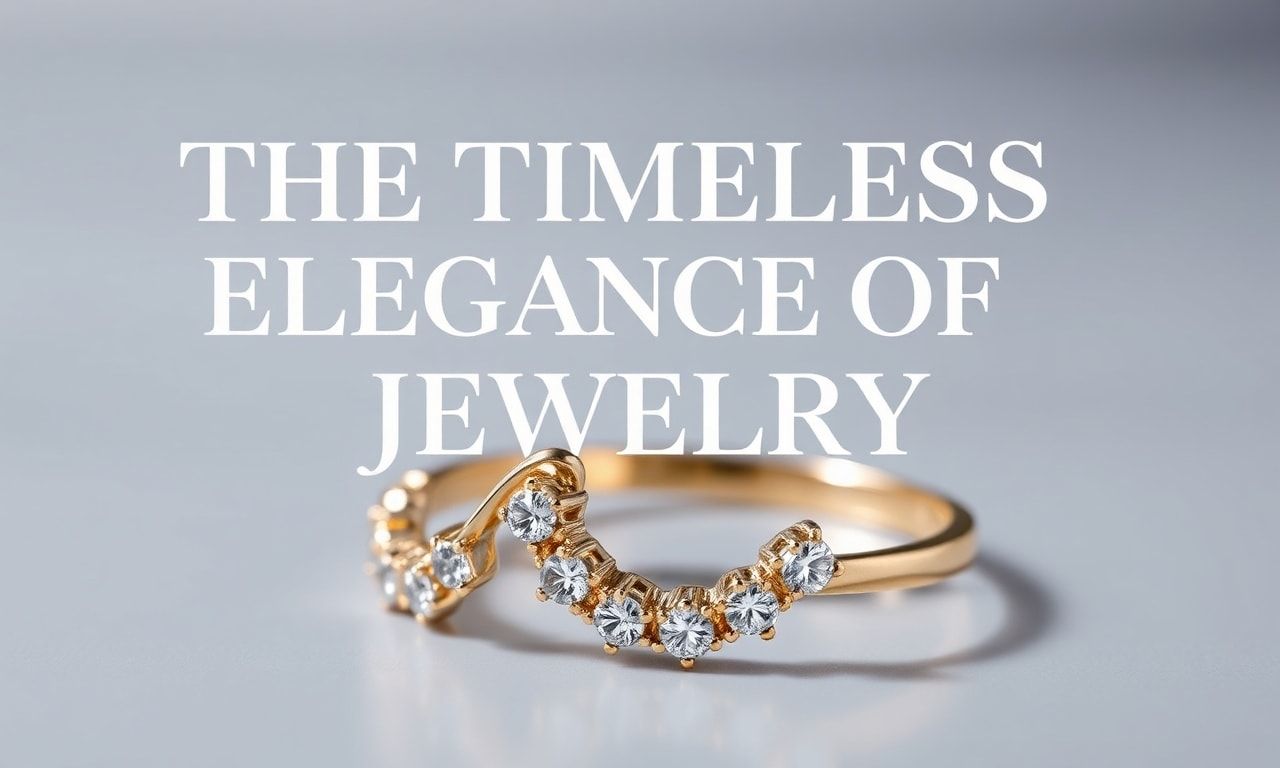
The Art of Adorning: An Introduction to Jewelry
Jewelry, an age-old form of personal adornment, has transcended its utilitarian roots to become a symbol of status, sentiment, and style. From the intricate designs of ancient civilizations to the contemporary pieces gracing runways today, jewelry has always been a mirror reflecting societal values and individual tastes. At JewelryIA, we delve into the fascinating world of jewelry, exploring its history, significance, and the latest trends that are shaping the fashion landscape.
The Historical Significance of Jewelry
The story of jewelry is as old as civilization itself. Archaeological findings reveal that early humans used natural materials like bones, shells, and stones to create adornments. As societies evolved, so did the art of jewelry-making. The Egyptians, for instance, were renowned for their gold jewelry, often incorporating symbols like the ankh and scarab. Meanwhile, the Romans used jewelry to signify social status, with intricate designs and precious stones reserved for the elite.
Moving into the Middle Ages, jewelry became a symbol of religious devotion, with crosses and other religious icons adorning the necks and fingers of the faithful. The Renaissance period saw a resurgence of classical motifs, while the Victorian era introduced sentimental jewelry, such as lockets and mourning rings. Each era has left its indelible mark on the world of jewelry, contributing to the rich tapestry of designs we see today.
Jewelry in the Modern Era
In the contemporary fashion scene, jewelry is more diverse and accessible than ever before. Designers are constantly pushing boundaries, experimenting with new materials, and reinterpreting classic designs. The rise of fast fashion has also made jewelry more affordable, allowing a broader audience to express their personal style through accessories.
One of the most significant trends in recent years is the growing demand for sustainable and ethical jewelry. Consumers are increasingly conscious of the environmental and social impact of their purchases. As a result, many jewelers are turning to recycled materials and ethically sourced gemstones. This shift reflects a broader movement towards sustainability in the fashion industry, where consumers are seeking transparency and responsibility from brands.
For those interested in staying updated on the latest trends and innovations in the fashion world, it’s also worth keeping an eye on other industries that influence style and design. For instance, the real estate sector often sets trends in interior design, which can indirectly impact fashion choices. To stay informed, you can check out real estate news updates today and see how these trends might inspire your next jewelry purchase.
The Role of Jewelry in Personal Style
Jewelry is a powerful tool for self-expression, allowing individuals to convey their personality, mood, and aspirations. Whether it’s a statement necklace, a delicate bracelet, or a pair of bold earrings, the right piece can elevate an outfit and make a lasting impression. The key to mastering the art of accessorizing is understanding how to balance different elements.
When selecting jewelry, consider the occasion, the outfit, and the overall aesthetic you wish to achieve. For a formal event, opt for classic, elegant pieces that complement your attire without overpowering it. On the other hand, casual outfits can be enhanced with playful, eclectic accessories that add a touch of whimsy. Remember, the goal is to create a harmonious look that reflects your unique style.
Caring for Your Jewelry
Investing in quality jewelry is just the first step; proper care is essential to ensure your pieces remain in pristine condition. Different materials require different care techniques, so it’s crucial to understand the specific needs of your jewelry. Here are some general tips to keep your jewelry looking its best:
- Storage: Store your jewelry in a cool, dry place, away from direct sunlight and humidity. Use individual compartments or soft pouches to prevent pieces from scratching or tangling.
- Cleaning: Regular cleaning is essential to maintain the luster of your jewelry. Use a soft cloth and mild soap for most metals. For gemstones, consult a professional jeweler to avoid damaging delicate settings.
- Avoid Chemicals: Exposure to harsh chemicals, such as perfumes, lotions, and cleaning agents, can tarnish or damage your jewelry. Always remove your pieces before applying these products.
- Professional Maintenance: Regular check-ups with a professional jeweler can help identify potential issues before they become significant problems. This is especially important for pieces with intricate designs or valuable gemstones.
The Future of Jewelry
The world of jewelry is constantly evolving, driven by technological advancements and changing consumer preferences. One of the most exciting developments is the rise of lab-grown diamonds and gemstones. These ethically sourced alternatives offer the same beauty and durability as natural stones but with a smaller environmental footprint. As technology continues to advance, we can expect to see even more innovative materials and designs entering the market.
Another trend to watch is the growing popularity of custom and personalized jewelry. Consumers are increasingly seeking unique, one-of-a-kind pieces that tell a story or hold special significance. Whether it’s a custom engagement ring, a personalized necklace, or a bespoke bracelet, the demand for personalized jewelry is on the rise. This trend reflects a broader shift towards individuality and self-expression in the fashion world.
In conclusion, jewelry is more than just an accessory; it’s a form of art that has the power to transform an outfit and express personal style. At JewelryIA, we celebrate the timeless elegance of jewelry and the stories it tells. Whether you’re a seasoned collector or a newcomer to the world of jewelry, there’s always something new to discover and explore. So, go ahead, indulge in the art of adorning, and let your jewelry speak volumes about who you are.
Eager to elevate your wardrobe with the latest looks? Discover the hottest style trends of 2023 and stay ahead of the fashion curve.
You may also find Sustainable Farming Practices: A Path to helpful as it covers related aspects of this subject.
