
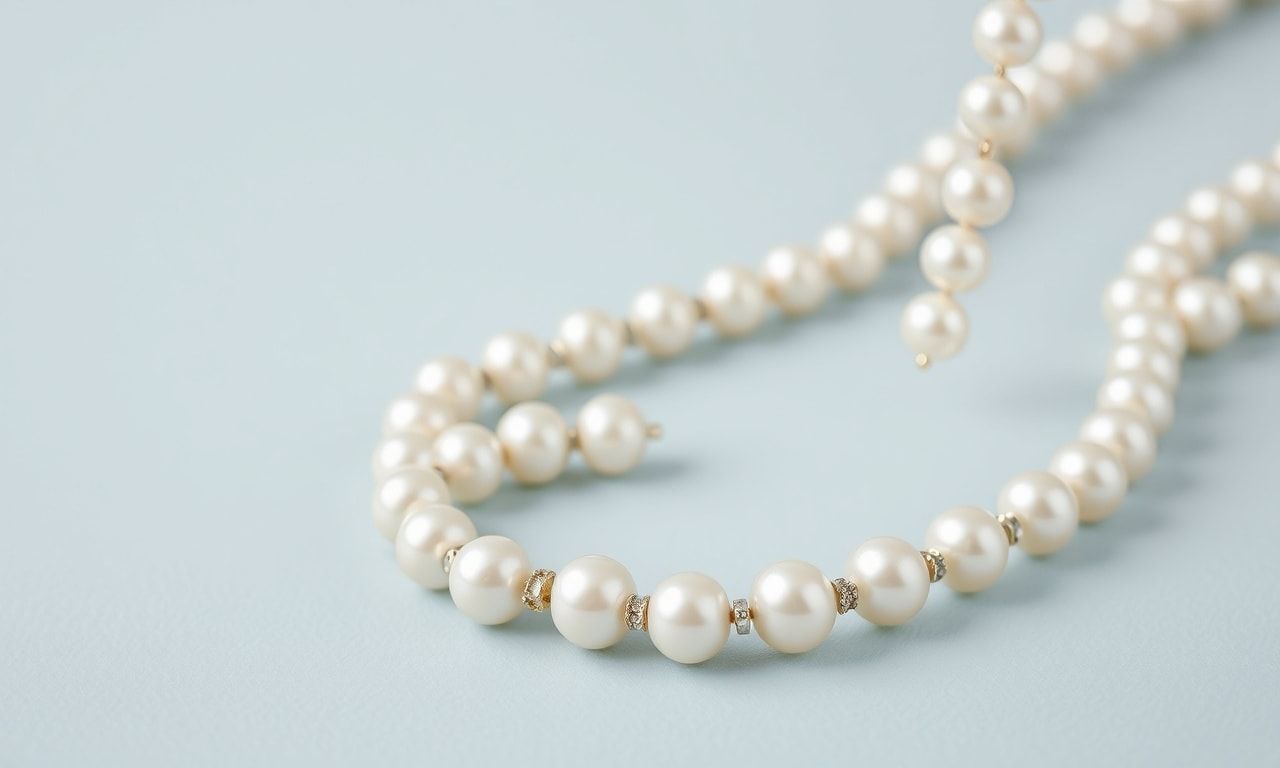
The Allure of Pearls
Pearls have long been a symbol of elegance, sophistication, and timeless beauty. Unlike other gemstones that are mined from the earth, pearls are organic, formed within the soft tissue of a living oyster. This unique origin adds a layer of intrigue and allure to these lustrous gems. Whether you’re a seasoned jewelry enthusiast or a novice looking to expand your collection, understanding the nuances of pearl jewelry can enhance your appreciation and enjoyment of these exquisite pieces.
Types of Pearls
Pearls come in various types, each with its own distinct characteristics. The most common types include:
- Akoya Pearls: Known for their classic round shape and high luster, Akoya pearls are cultivated primarily in Japan and China.
- Tahitian Pearls: These pearls are renowned for their dark, exotic colors, ranging from black to shades of green and purple. They are cultivated in French Polynesia.
- South Sea Pearls: Originating from the waters around Australia, Indonesia, and the Philippines, South Sea pearls are among the largest and most lustrous pearls available.
- Freshwater Pearls: Cultivated in freshwater bodies such as lakes and rivers, these pearls come in a variety of shapes and colors, offering a more affordable option for jewelry lovers.
The Grading System
Understanding the grading system for pearls is crucial when selecting high-quality pieces. The most widely accepted grading system is the AAA, AA, and A scale, which evaluates factors such as luster, surface quality, shape, and color. AAA-grade pearls are the highest quality, exhibiting exceptional luster and minimal blemishes. AA-grade pearls have slight imperfections but still maintain a high level of beauty, while A-grade pearls are more affordable and suitable for casual wear.
Caring for Your Pearl Jewelry
Proper care is essential to maintain the beauty and longevity of your pearl jewelry. Pearls are relatively soft and can be easily damaged by harsh chemicals, heat, and abrasive materials. To keep your pearls in pristine condition, follow these tips:
- Store Properly: Keep your pearls in a soft, lined jewelry box or pouch to prevent scratches and damage. Avoid storing them with other jewelry pieces that could cause abrasion.
- Clean Gently: Use a soft, damp cloth to gently wipe your pearls after each wear. Avoid using harsh chemicals or ultrasonic cleaners, as they can damage the delicate surface of the pearls.
- Avoid Exposure to Chemicals: Remove your pearl jewelry before applying perfumes, lotions, or hairsprays. These substances can dull the luster and cause discoloration.
- Re-string Regularly: If you own a pearl necklace, have it re-strung every few years to ensure the silk thread remains intact and the pearls stay secure.
Styling Tips for Pearl Jewelry
Pearl jewelry is incredibly versatile and can be styled in numerous ways to complement any outfit. Here are some popular articles recommended reading on how to incorporate pearls into your wardrobe:
- Classic Elegance: A strand of pearls paired with a little black dress exudes timeless elegance, perfect for formal events and evening wear.
- Casual Chic: Layer pearl necklaces of varying lengths for a bohemian-inspired look that adds a touch of sophistication to casual outfits.
- Modern Twist: Mix pearls with edgy pieces, such as leather jackets or statement necklaces, to create a unique and contemporary style.
The Cultural Significance of Pearls
Pearls have held cultural significance across various civilizations throughout history. In ancient Rome, pearls were a symbol of wealth and status, often worn by the elite. In Chinese culture, pearls are associated with wisdom and purity, frequently used in traditional ceremonies and rituals. The Japanese consider pearls a symbol of marital happiness and are often given as gifts during weddings. Understanding the cultural significance of pearls adds a deeper layer of appreciation for these exquisite gems.
Investing in Pearl Jewelry
Pearl jewelry can be a valuable investment, especially when choosing high-quality pieces. Factors such as size, luster, color, and surface quality play a significant role in determining the value of pearls. Natural pearls, which are extremely rare, can command high prices in the market. Cultured pearls, on the other hand, offer a more affordable option without compromising on beauty. Whether you’re looking to invest in a timeless piece or simply add to your jewelry collection, pearls are a wise choice that will appreciate over time.