
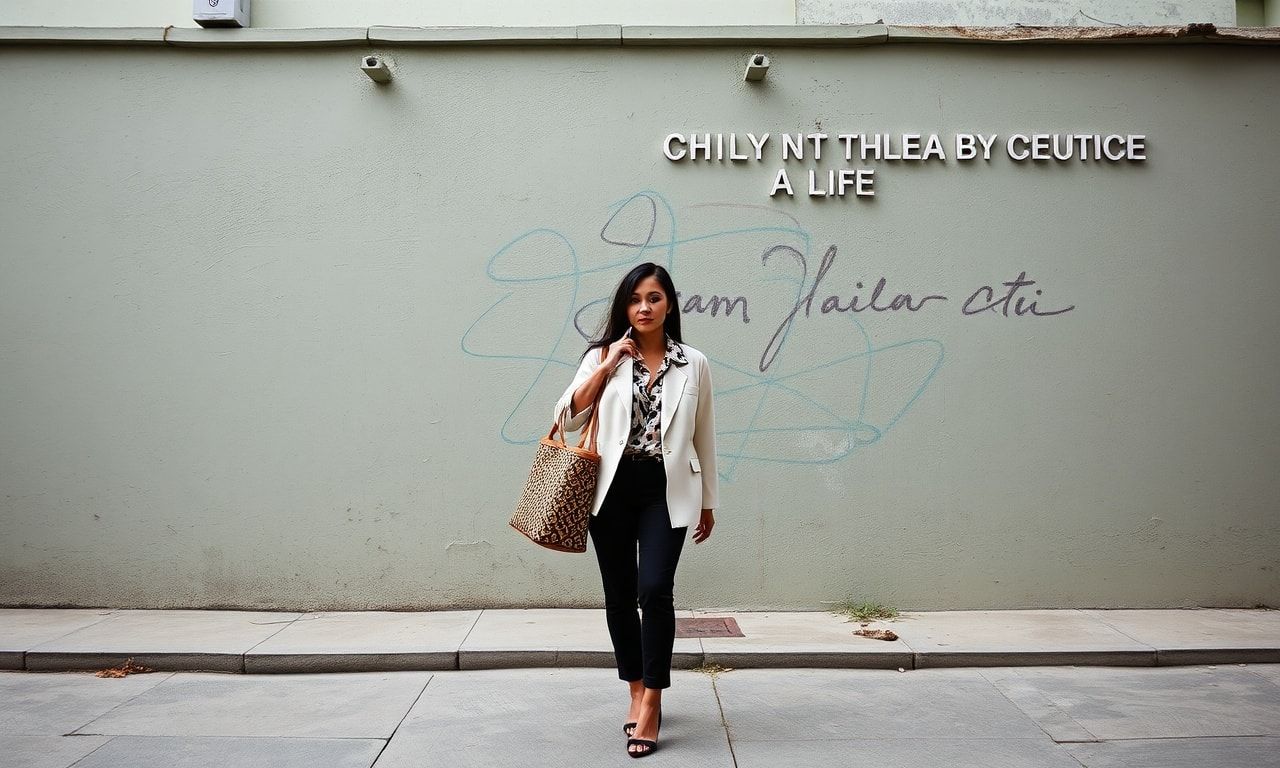
The Influence of Local Culture on Fashion Trends
Fashion is a universal language that transcends borders, but it is deeply rooted in local culture and traditions. From the vibrant colors of Indian textiles to the minimalist designs of Scandinavian fashion, each region has its unique style that reflects its heritage. Understanding the influence of local culture on fashion trends can provide a deeper appreciation for the diversity and richness of global fashion.
In recent years, there has been a growing trend towards incorporating local cultural elements into mainstream fashion. Designers are increasingly drawing inspiration from traditional crafts, patterns, and techniques to create modern, wearable pieces. This fusion of old and new not only preserves cultural heritage but also brings a fresh perspective to the fashion industry.
For instance, the resurgence of traditional Scottish tartan in contemporary fashion has been a notable trend. The intricate patterns and rich history of tartan have been reinterpreted by designers to create everything from high-fashion runway pieces to everyday wear. This trend highlights how local cultural elements can be seamlessly integrated into modern fashion, creating a unique blend of tradition and innovation.
The Role of Local Governments in Promoting Fashion
Local governments play a crucial role in promoting fashion as a cultural and economic asset. Through initiatives such as fashion weeks, design competitions, and support for local designers, governments can foster a thriving fashion industry. These efforts not only boost the local economy but also enhance the cultural identity of the region.
For example, the Perth council news decisions update has been instrumental in supporting the local fashion scene. By providing grants, organizing events, and creating platforms for emerging designers, the council has helped to put Perth on the map as a fashion-forward city. Such initiatives demonstrate the positive impact that local government support can have on the fashion industry.
Sustainable Fashion: A Global Movement with Local Roots
Sustainable fashion is a growing movement that emphasizes the importance of ethical and eco-friendly practices in the fashion industry. This movement is rooted in the belief that fashion should be both stylish and responsible, with a focus on reducing waste, using sustainable materials, and supporting fair labor practices.
Many local communities are at the forefront of the sustainable fashion movement, with artisans and designers creating pieces that are not only beautiful but also environmentally conscious. From upcycled materials to handmade crafts, these local initiatives are setting a new standard for sustainable fashion. By supporting local artisans and designers, consumers can contribute to a more sustainable and ethical fashion industry.
The Future of Fashion: Embracing Diversity and Innovation
The future of fashion lies in embracing diversity and innovation. As the world becomes increasingly interconnected, fashion trends are evolving to reflect a global melting pot of styles, cultures, and influences. This diversity is not only enriching the fashion landscape but also fostering a more inclusive and dynamic industry.
Innovation is another key driver of the future of fashion. From wearable technology to 3D printing, advancements in technology are revolutionizing the way we create, wear, and experience fashion. These innovations are opening up new possibilities for designers and consumers alike, making fashion more accessible, personalized, and sustainable.
As we look to the future, it is clear that fashion will continue to be a powerful force for cultural expression, economic growth, and social change. By embracing diversity, innovation, and sustainability, the fashion industry can create a more inclusive, dynamic, and responsible future for all.
Conclusion
The intersection of fashion and local culture is a rich and dynamic landscape that offers endless possibilities for creativity and innovation. By understanding the influence of local culture on fashion trends, supporting local governments in promoting fashion, and embracing sustainable and innovative practices, we can create a more vibrant and responsible fashion industry. Whether you are a designer, a consumer, or simply a fashion enthusiast, there has never been a more exciting time to be part of this ever-evolving world.