
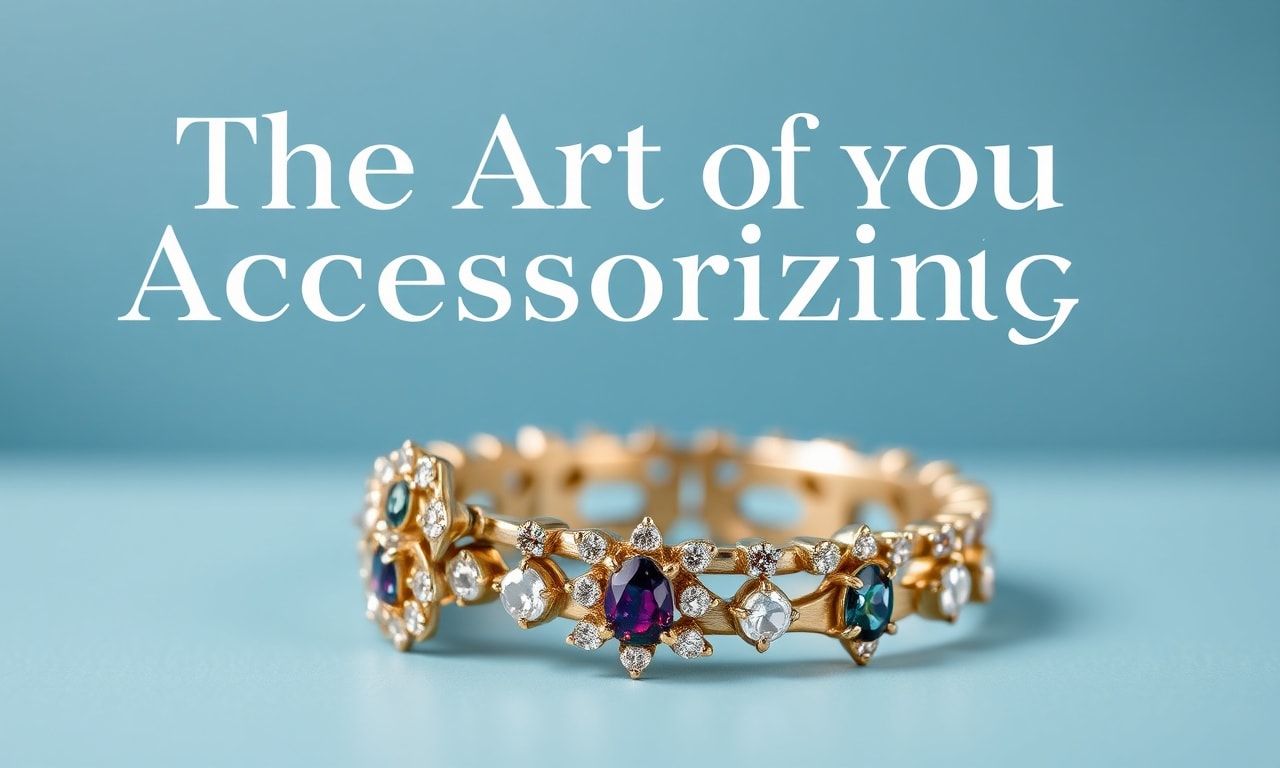
The Power of Accessories in Fashion
Fashion is a dynamic and ever-evolving industry that allows individuals to express their unique personalities and creativity. While clothing forms the foundation of any outfit, accessories play a pivotal role in elevating and completing a look. Among these, jewelry stands out as a timeless and versatile element that can transform even the simplest of outfits into a stunning ensemble.
Jewelry has been an integral part of human culture for centuries, serving not only as adornments but also as symbols of status, wealth, and personal significance. Today, jewelry continues to be a powerful tool for self-expression and style enhancement. Whether you prefer delicate and minimalist pieces or bold and statement-making designs, the right jewelry can add a touch of elegance, sophistication, or edginess to your overall appearance.
In this article, we will explore the art of accessorizing with jewelry, providing you with valuable insights, tips, and trends to help you elevate your style game. From understanding the different types of jewelry to learning how to mix and match pieces, we will cover everything you need to know to make a lasting impression with your accessories.
Understanding the Different Types of Jewelry
Before diving into the world of accessorizing, it’s essential to familiarize yourself with the various types of jewelry available. Each category offers unique styles and functions, allowing you to create versatile and cohesive looks. Here are some of the most popular types of jewelry:
- Necklaces: Necklaces come in a wide range of designs, from delicate chains to statement pendants. They can be worn alone or layered for a more eclectic look.
- Earrings: Earrings are available in various styles, including studs, hoops, drops, and chandeliers. They can add a touch of glamour or subtlety to your outfit, depending on the design.
- Bracelets and Bangles: These can be worn individually or stacked for a layered effect. They come in various materials, such as metal, beads, or fabric.
- Rings: Rings can be worn on any finger and come in different styles, from simple bands to intricate designs with gemstones.
- Brooches and Pins: These are often used to add a unique touch to clothing or accessories, such as scarves, hats, or jackets.
Understanding the different types of jewelry will help you make informed decisions when selecting pieces that complement your personal style and outfit choices.
The Importance of Quality and Craftsmanship
When investing in jewelry, it’s crucial to prioritize quality and craftsmanship. High-quality jewelry is not only more durable but also tends to have a more refined and elegant appearance. Look for pieces made from genuine materials, such as sterling silver, gold, or platinum, and pay attention to the craftsmanship details, such as secure clasps, smooth finishes, and precise settings for gemstones.
Additionally, consider the reputation of the brand or designer. Established jewelry brands often have a proven track record of producing high-quality pieces and may offer warranties or repair services. Investing in well-crafted jewelry ensures that your pieces will last for years and maintain their beauty and value.
For those looking to stay updated on the latest trends and marketing strategies in the fashion industry, exploring resources like sosyal medya reklamcılık güncel ipuçları can provide valuable insights and inspiration for incorporating new styles into your jewelry collection.
Mixing and Matching Jewelry
One of the most exciting aspects of accessorizing with jewelry is the ability to mix and match different pieces to create unique and personalized looks. Here are some tips to help you master the art of mixing and matching:
First, consider the metal tones of your jewelry. While mixing metals can create a modern and eclectic look, it’s essential to ensure that the pieces complement each other. For example, pairing rose gold with silver can create a beautiful contrast, while mixing gold and brass can add warmth and depth to your outfit.
Next, think about the balance of your jewelry. If you’re wearing a statement necklace, opt for simpler earrings and bracelets to avoid overwhelming your look. Conversely, if you’re wearing delicate jewelry, you can layer multiple pieces to create a more intricate and layered effect.
Finally, don’t be afraid to experiment with different textures and materials. Combining metals with fabrics, beads, or gemstones can add visual interest and depth to your jewelry ensemble.
Trends in Jewelry for the Fashion-Forward
The fashion industry is constantly evolving, and jewelry trends are no exception. Staying updated on the latest trends can help you incorporate fresh and exciting elements into your style. Here are some of the most popular jewelry trends to watch for:
- Minimalist Designs: Delicate and understated jewelry continues to be a popular choice for those who prefer a subtle and elegant look.
- Bold Statements: Statement pieces, such as large pendants, chunky bracelets, and oversized earrings, are perfect for making a strong fashion statement.
- Personalized Jewelry: Customized pieces, such as engraved necklaces or birthstone rings, add a personal touch to your accessories.
- Sustainable and Ethical Jewelry: As consumers become more conscious of their environmental impact, there is a growing demand for sustainable and ethically sourced jewelry.
- Vintage and Antique Pieces: Incorporating vintage or antique jewelry into your collection can add a unique and timeless element to your style.
By staying informed about the latest trends and incorporating them into your jewelry collection, you can keep your style fresh and fashionable.
Caring for Your Jewelry
Proper care and maintenance are essential to ensure that your jewelry remains in excellent condition and retains its beauty and value. Here are some tips for caring for your jewelry:
First, store your jewelry properly to prevent damage and tangling. Use a jewelry box or organizer with separate compartments for each piece. Avoid storing jewelry in humid or damp places, as this can cause tarnishing or damage to delicate materials.
Next, clean your jewelry regularly to remove dirt, oils, and other residue that can accumulate over time. Use a soft cloth and mild soap and water to clean most jewelry. For more delicate pieces, consult a professional jeweler for cleaning and maintenance advice.
Finally, be mindful of how you wear and handle your jewelry. Remove your jewelry before engaging in activities that may cause damage, such as swimming, exercising, or doing household chores. Additionally, avoid exposing your jewelry to harsh chemicals, such as perfumes, lotions, or cleaning products, as these can cause discoloration or damage.
By following these care tips, you can ensure that your jewelry remains beautiful and durable for years to come.
To discover the captivating fusion of tradition and modernity in fashion, explore kimono’s timeless appeal and how it continues to inspire style trends today.
Readers interested in this subject may also want to explore 北京国际电影节:娱乐盛宴与文化交融 for additional perspectives.
You may also find Moda Dünyasında Renklerin Gizli Gücü: Stilinizi helpful as it covers related aspects of this subject.
