
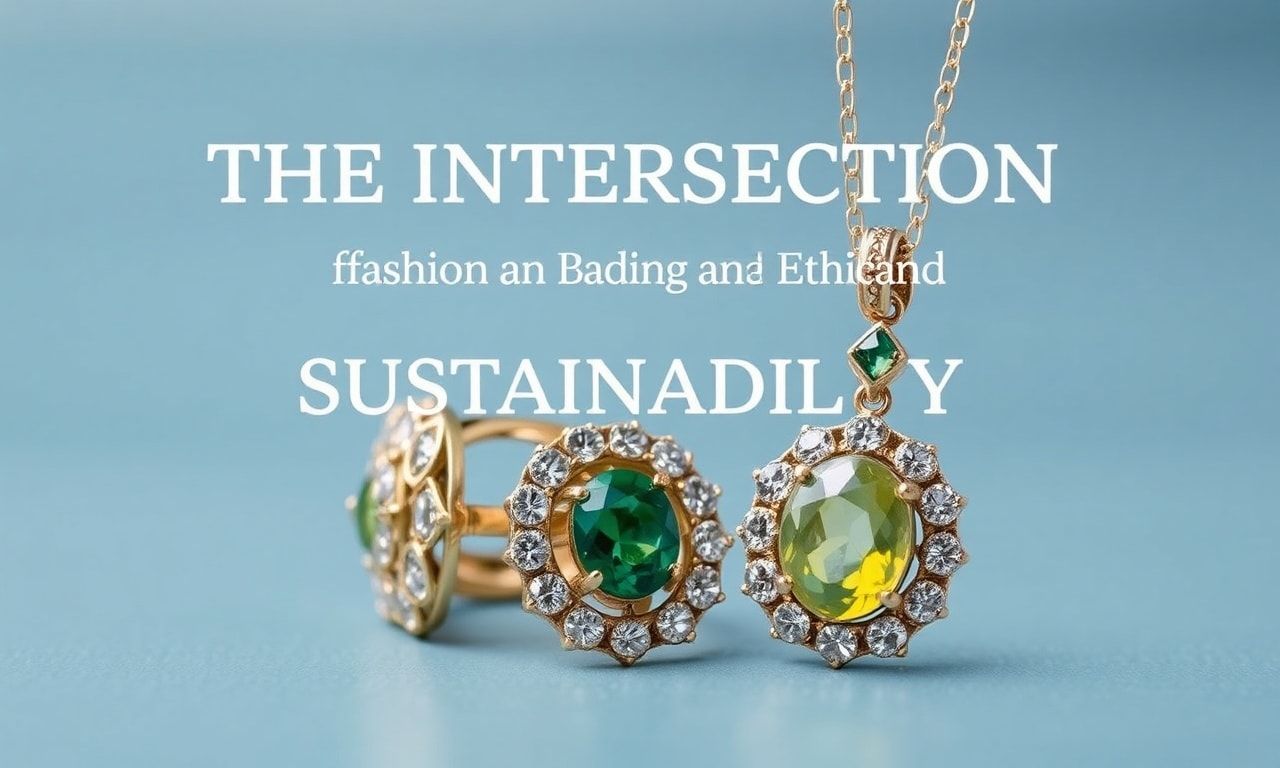
The Rise of Sustainable Fashion
The fashion industry is undergoing a significant transformation, with sustainability taking center stage. Consumers are becoming more conscious of their purchasing decisions, seeking out brands that prioritize ethical practices and environmental responsibility. This shift is particularly evident in the jewelry sector, where the demand for sustainable and ethically sourced pieces is on the rise.
The Importance of Ethical Jewelry
Ethical jewelry is more than just a trend; it’s a movement towards a more responsible and transparent industry. By choosing ethically sourced materials and fair labor practices, jewelry brands can significantly reduce their environmental impact and support communities around the world. This not only benefits the planet but also ensures that artisans and workers are treated fairly and compensated adequately.
Understanding Ethical Sourcing
Ethical sourcing involves obtaining materials in a way that respects both the environment and the people involved in the supply chain. This includes using recycled metals, responsibly sourced gemstones, and ensuring that mining practices do not harm ecosystems or local communities. By prioritizing ethical sourcing, jewelry brands can create beautiful pieces that align with the values of environmentally conscious consumers.
The Role of Certifications
Certifications play a crucial role in the ethical jewelry market. Organizations like the Responsible Jewellery Council (RJC) and the Fair Trade Certified label provide consumers with assurance that the jewelry they purchase has been sourced and produced ethically. These certifications ensure that the materials used are conflict-free and that the workers involved in the production process are treated fairly.
Investing in Sustainable Fashion
For those looking to invest in sustainable fashion, there are numerous options available. From clothing to accessories, the market is filled with brands that prioritize ethical practices and environmental responsibility. One way to support this movement is by investing in sustainable bonds, which can provide financial returns while also supporting eco-friendly initiatives. For more information on investering i bæredygtige obligationer med lav risiko, explore resources that offer insights into low-risk sustainable investments.
Tips for Building an Ethical Wardrobe
Building an ethical wardrobe involves making conscious choices about the brands and materials you support. Here are some tips to help you get started:
- Research Brands: Look for brands that are transparent about their sourcing and production practices. Check for certifications and read reviews from other consumers.
- Choose Quality Over Quantity: Invest in high-quality pieces that will last longer, reducing the need for frequent replacements.
- Support Local Artisans: By purchasing from local artisans, you can support small businesses and reduce the environmental impact of shipping.
- Opt for Sustainable Materials: Choose jewelry made from recycled metals, lab-grown gemstones, and other eco-friendly materials.
- Educate Yourself: Stay informed about the latest trends and innovations in sustainable fashion to make informed decisions.
The Future of Ethical Jewelry
The future of ethical jewelry looks bright, with more brands and consumers embracing sustainable practices. As technology advances, we can expect to see more innovations in the way jewelry is produced, such as the use of 3D printing and lab-grown gemstones. These advancements will not only reduce the environmental impact of the industry but also make ethical jewelry more accessible to a wider audience.
Innovations in Sustainable Jewelry
Innovations in sustainable jewelry are paving the way for a more eco-friendly industry. For example, lab-grown diamonds offer a sustainable alternative to mined diamonds, reducing the environmental impact and ethical concerns associated with traditional diamond mining. Similarly, 3D printing technology allows for the creation of intricate jewelry designs with minimal waste, making it a more sustainable option for both brands and consumers.
Consumer Awareness and Advocacy
Consumer awareness and advocacy play a crucial role in driving the demand for ethical jewelry. By educating themselves and others about the importance of sustainable practices, consumers can influence the industry to adopt more responsible practices. This includes supporting brands that prioritize ethical sourcing and advocating for greater transparency and accountability in the jewelry supply chain.
Conclusion
The intersection of fashion and sustainability is reshaping the jewelry industry, with ethical practices and eco-friendly materials becoming increasingly important to consumers. By choosing ethically sourced jewelry and supporting brands that prioritize sustainability, we can contribute to a more responsible and transparent industry. As we look to the future, innovations in technology and consumer advocacy will continue to drive the demand for ethical jewelry, making it a more accessible and desirable option for all.
