
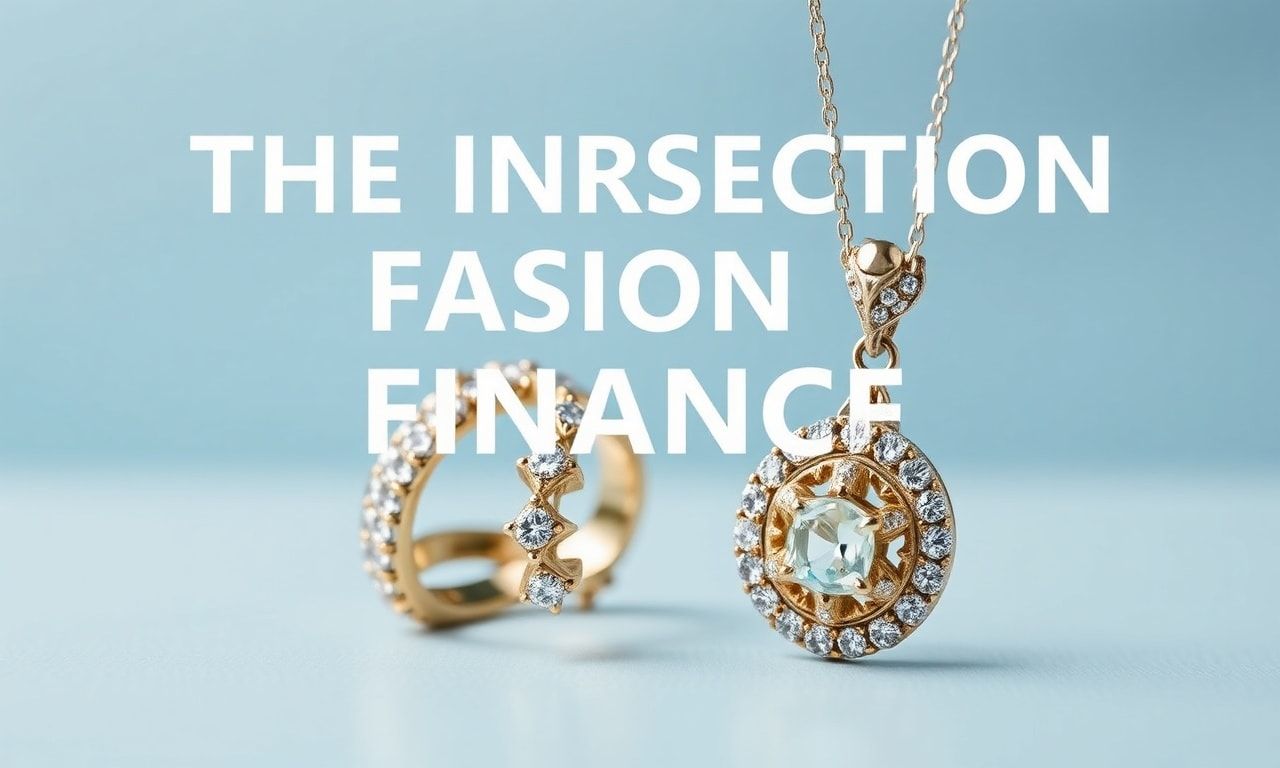
The Ever-Evolving World of Fashion
The fashion industry is a dynamic and ever-evolving landscape, where trends come and go with the seasons. Among the various segments of the fashion world, jewelry holds a special place. It is not just an accessory but a statement of personal style and a reflection of cultural and economic trends. Understanding the interplay between fashion and finance can provide valuable insights into the trends that shape the jewelry market.
The Influence of Economic Trends on Jewelry Fashion
Economic conditions play a significant role in shaping fashion trends, particularly in the luxury segment. During periods of economic growth, consumers are more likely to invest in high-end jewelry as a form of self-expression and status symbol. Conversely, in times of economic downturn, there is a shift towards more affordable and versatile pieces. This cyclical nature of consumer behavior is influenced by various factors, including disposable income, inflation rates, and market stability.
For investors and market analysts, understanding these economic trends is crucial. Tools like those found on top market analysis tools for Bangladesh investors can provide valuable data to predict consumer behavior and market shifts. By analyzing economic indicators, investors can make informed decisions about the jewelry market, identifying opportunities for growth and potential risks.
The Role of Cultural and Social Trends
Beyond economic factors, cultural and social trends also significantly impact jewelry fashion. The rise of social media has democratized fashion, allowing trends to spread rapidly across global markets. Influencers and celebrities play a pivotal role in popularizing certain styles, making them accessible to a broader audience. Additionally, cultural movements and historical events can inspire unique jewelry designs, reflecting the zeitgeist of the time.
For example, the resurgence of vintage and antique jewelry has been influenced by a growing appreciation for sustainability and heritage. Consumers are increasingly seeking out pieces with a story, valuing craftsmanship and history over mass-produced items. This shift towards sustainable fashion is not only a reflection of cultural values but also a response to environmental concerns.
Technological Innovations in Jewelry Design
Technological advancements have revolutionized the jewelry industry, enabling designers to create innovative and intricate pieces. The use of 3D printing, for instance, has allowed for the production of custom and bespoke jewelry at a fraction of the traditional cost. This technology has democratized the market, making high-quality jewelry more accessible to a wider audience.
Furthermore, the integration of technology into jewelry design has led to the development of smart jewelry. These pieces combine functionality with fashion, incorporating features like fitness tracking, notifications, and even health monitoring. The rise of smart jewelry reflects the growing demand for tech-savvy accessories that cater to the modern lifestyle.
The Impact of Globalization on Jewelry Trends
Globalization has had a profound impact on the jewelry industry, facilitating the exchange of ideas and styles across borders. Designers are now able to draw inspiration from diverse cultures, creating pieces that reflect a global aesthetic. This cultural exchange has led to the emergence of hybrid styles, blending traditional techniques with contemporary designs.
However, globalization also presents challenges, particularly in terms of ethical sourcing and sustainability. Consumers are increasingly conscious of the environmental and social impact of their purchases, demanding transparency and accountability from brands. As a result, many jewelry companies are adopting sustainable practices, such as using recycled materials and ethically sourced gemstones.
Future Trends in Jewelry Fashion
The future of jewelry fashion is likely to be shaped by a combination of economic, cultural, and technological factors. As consumer preferences continue to evolve, designers will need to adapt to meet the demands of a diverse and discerning market. Sustainability, personalization, and innovation will be key drivers of the industry, influencing the styles and materials used in jewelry design.
Additionally, the role of technology in jewelry fashion is expected to grow, with advancements in materials science and digital fabrication opening up new possibilities for design. The integration of artificial intelligence and machine learning could also revolutionize the way jewelry is produced and marketed, enabling brands to offer highly personalized and customized products.
In conclusion, the intersection of fashion and finance is a complex and fascinating area of study. By understanding the various factors that influence jewelry trends, investors and market analysts can make informed decisions and capitalize on emerging opportunities. Tools like those found on top market analysis tools for Bangladesh investors can provide valuable insights into market trends, helping to navigate the dynamic world of jewelry fashion.
As the seasons change, so do our wardrobes, and this spring-summer, it’s all about fresh and vibrant styles; discover the latest fashion trends that are set to dominate.
You may also find 2024 Bahar Moda Trendleri: Yeni Sezonun helpful as it covers related aspects of this subject.
