The Enduring Allure of Pearls
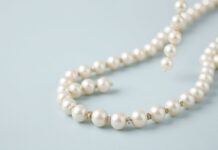
Pearls have long been celebrated for their timeless beauty and elegance. Unlike other gemstones, pearls are organic, formed within the soft tissue of a living mollusk. This unique origin adds a layer of intrigue and natural allure that has captivated jewelry enthusiasts for centuries. From ancient Chinese dynasties to modern-day fashionistas, pearls have been a staple in jewelry collections, symbolizing purity, wisdom, and sophistication.
The versatility of pearls is unparalleled. They can be dressed up for a formal event or dressed down for a casual outing. Whether you prefer classic strands, modern designs, or statement pieces, pearls offer a range of options to suit every style and occasion. Their lustrous sheen and soft glow make them a perfect complement to any outfit, adding a touch of refined elegance.
The History and Cultural Significance of Pearls
The history of pearls is as rich and varied as their colors and shapes. Pearls have been treasured by various cultures throughout history. In ancient Rome, pearls were associated with wealth and power, often worn by the elite. In the East, pearls were believed to possess healing properties and were used in traditional medicine. The Chinese, in particular, valued pearls for their association with the moon and femininity.
During the Renaissance, pearls became a symbol of status and were often worn by royalty. The discovery of pearls in the Americas further fueled their popularity in Europe. Today, pearls continue to be a beloved choice for jewelry, appreciated for their natural beauty and historical significance. They are often passed down through generations as heirlooms, carrying with them stories and memories.
Types of Pearls: Natural vs. Cultured
Pearls can be broadly categorized into two types: natural and cultured. Natural pearls are extremely rare and formed spontaneously in the wild. They are often found in oysters and other mollusks without human intervention. Due to their rarity, natural pearls are highly valuable and sought after by collectors.
Cultured pearls, on the other hand, are created with human intervention. A small piece of tissue is implanted into the mollusk, which then forms a pearl around it. This process takes several years and results in pearls that are similar in quality to natural pearls. Cultured pearls are more affordable and widely available, making them a popular choice for jewelry.
The Science Behind Pearl Formation
Understanding the science behind pearl formation adds a layer of appreciation for these precious gems. Pearls are formed when a foreign object, such as a grain of sand or a parasite, enters the mollusk. The mollusk’s defense mechanism kicks in, secreting layers of nacre around the irritant. This nacre, also known as mother-of-pearl, is composed of calcium carbonate and conchiolin, giving pearls their characteristic luster and iridescence.
The process of pearl formation is a testament to nature’s artistry. It takes years for a pearl to develop, with each layer of nacre adding to its beauty and value. The thickness and quality of the nacre layers determine the pearl’s luster and durability. For those interested in the scientific aspects of pearls, resources like akademik araştırma araçları rehber can provide valuable insights and tools for further exploration.
Choosing the Perfect Pearl Jewelry
Selecting the right pearl jewelry involves considering several factors, including the type of pearl, the size, the color, and the setting. Freshwater pearls are known for their affordability and come in a variety of shapes and sizes. Akoya pearls are renowned for their round shape and high luster, making them a popular choice for classic jewelry. Tahitian and South Sea pearls are larger and come in a range of colors, from white to black, adding a unique touch to any piece.
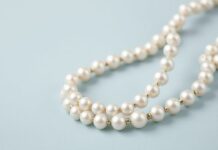
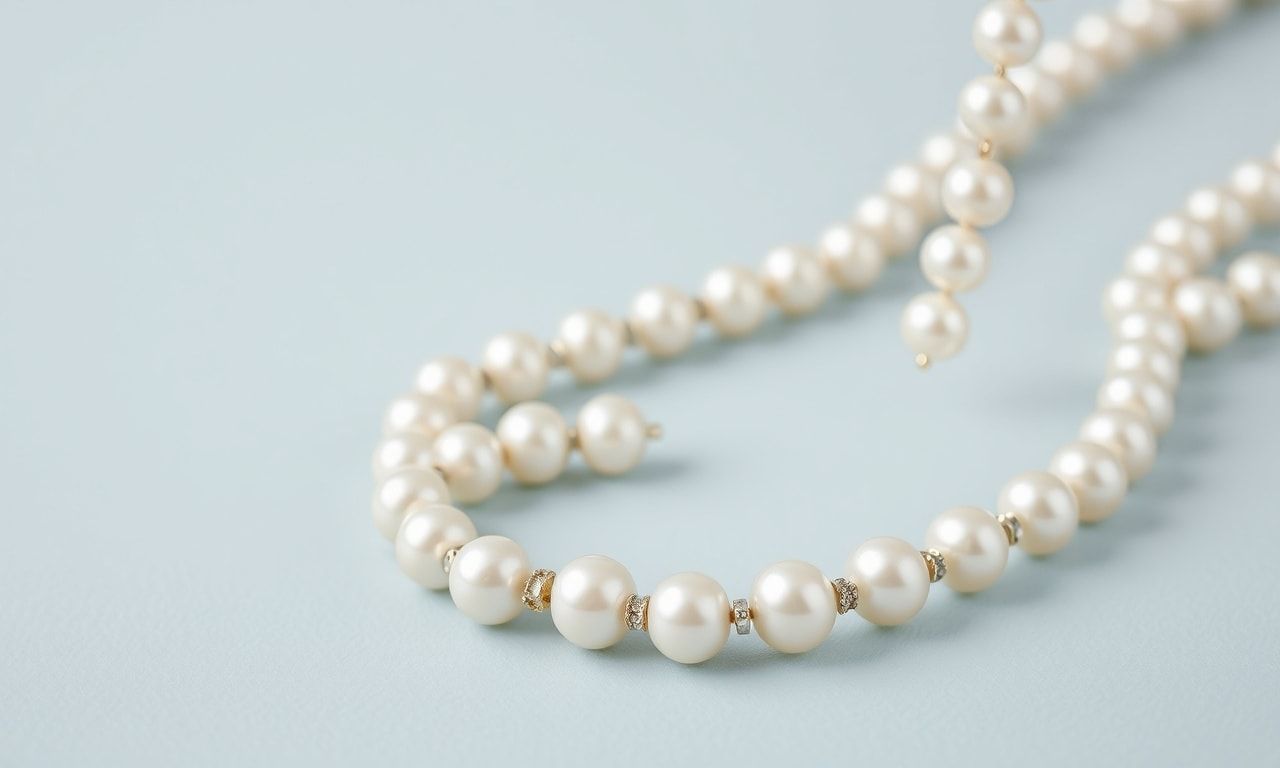
When choosing pearl jewelry, consider the occasion and your personal style. A classic strand of pearls is perfect for formal events, while a pearl bracelet or earrings can add a touch of elegance to everyday outfits. Pearl necklaces come in various lengths, from chokers to opera lengths, offering versatility in styling. Pairing pearls with other gemstones can create stunning contrast and complement your overall look.
Caring for Your Pearl Jewelry
Proper care is essential to maintain the beauty and longevity of your pearl jewelry. Pearls are delicate and require gentle handling. Avoid exposing them to harsh chemicals, such as perfumes, cosmetics, and cleaning agents, as these can damage the nacre. Always remove your pearl jewelry before swimming or showering to prevent exposure to chlorine and other chemicals.
Store your pearl jewelry in a soft pouch or a lined jewelry box to prevent scratches. Regularly wipe your pearls with a soft, damp cloth to remove any dirt or oils. Avoid storing pearls with other jewelry to prevent scratching. With proper care, your pearl jewelry can last for generations, becoming cherished heirlooms that tell the story of your life.
In conclusion, pearls are a timeless and versatile choice for jewelry. Their natural beauty, historical significance, and scientific intrigue make them a beloved gemstone. Whether you prefer classic or modern designs, pearls offer a range of options to suit every style and occasion. By understanding the different types of pearls, their formation, and how to care for them, you can make an informed choice and enjoy the enduring elegance of pearl jewelry for years to come.