
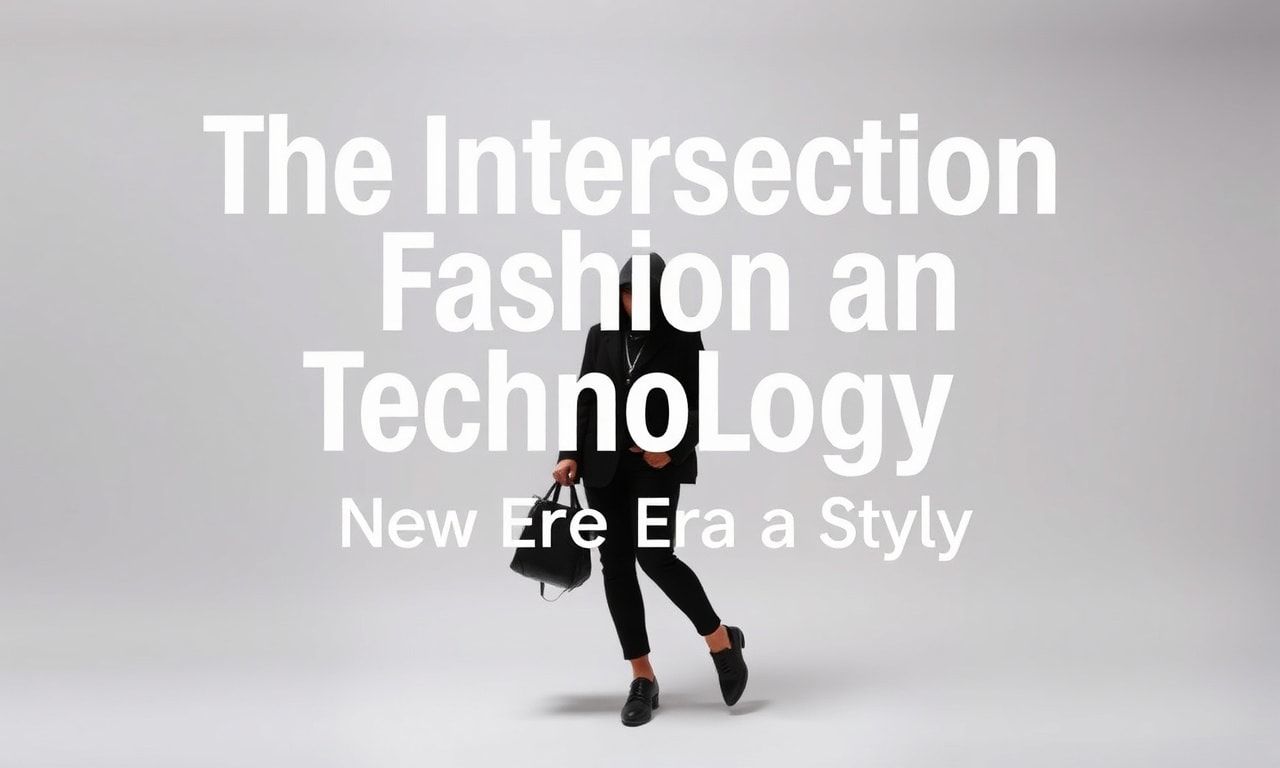
The Evolution of Fashion in the Digital Age
The fashion industry has always been at the forefront of innovation, constantly evolving to meet the demands of a dynamic world. In recent years, technology has played a pivotal role in shaping the way we perceive and consume fashion. From virtual fashion shows to AI-driven styling assistants, the intersection of fashion and technology is creating a new era of style that is both exciting and transformative.
The Rise of Virtual Fashion Shows
One of the most significant developments in the fashion world is the rise of virtual fashion shows. With the advent of virtual reality (VR) and augmented reality (AR), fashion brands are now able to showcase their collections in immersive digital environments. These virtual shows offer a unique experience for both designers and audiences, allowing them to interact with clothing in ways that were previously unimaginable. The latest news on education technology has also highlighted how virtual learning environments are being used to train the next generation of fashion designers, further bridging the gap between education and industry.
AI and Personalized Styling
Artificial intelligence (AI) is revolutionizing the way we approach personal styling. AI-driven platforms analyze a user’s preferences, body type, and lifestyle to curate personalized fashion recommendations. This not only enhances the shopping experience but also promotes sustainable fashion by reducing impulse purchases. Brands like Stitch Fix and Trunk Club are leading the way in this space, using AI to offer bespoke styling services that cater to individual tastes.
The Impact of Social Media on Fashion Trends
Social media platforms like Instagram, TikTok, and Pinterest have become powerful tools for discovering and disseminating fashion trends. Influencers and fashion bloggers play a crucial role in shaping public opinion and driving consumer behavior. The instantaneous nature of social media allows trends to emerge and evolve at a rapid pace, making it essential for fashion brands to stay agile and responsive. Additionally, social media has democratized fashion, giving rise to a more inclusive and diverse industry.
Sustainable Fashion: A Technological Revolution
Sustainability is a growing concern in the fashion industry, and technology is playing a key role in addressing this challenge. Innovations such as 3D printing, biodegradable fabrics, and blockchain technology are paving the way for a more sustainable future. 3D printing allows for on-demand production, reducing waste and overproduction. Biodegradable fabrics offer eco-friendly alternatives to traditional materials, while blockchain technology ensures transparency and traceability in the supply chain. These advancements are not only beneficial for the environment but also align with the values of a increasingly eco-conscious consumer base.
The Future of Fashion Technology
The future of fashion technology is bright and full of possibilities. Emerging technologies like wearable tech, smart fabrics, and virtual try-on tools are set to redefine the fashion landscape. Wearable tech, such as smartwatches and fitness trackers, is becoming more stylish and integrated into everyday fashion. Smart fabrics that respond to environmental changes or monitor health metrics are also gaining popularity. Virtual try-on tools, powered by AR, allow consumers to see how clothing will look on them before making a purchase, enhancing the online shopping experience.
Conclusion
The intersection of fashion and technology is creating a new era of style that is innovative, inclusive, and sustainable. As technology continues to evolve, the fashion industry will undoubtedly embrace new advancements to meet the ever-changing demands of consumers. By leveraging the power of technology, fashion brands can create more personalized, sustainable, and immersive experiences that cater to the needs of a digital-savvy generation.
