
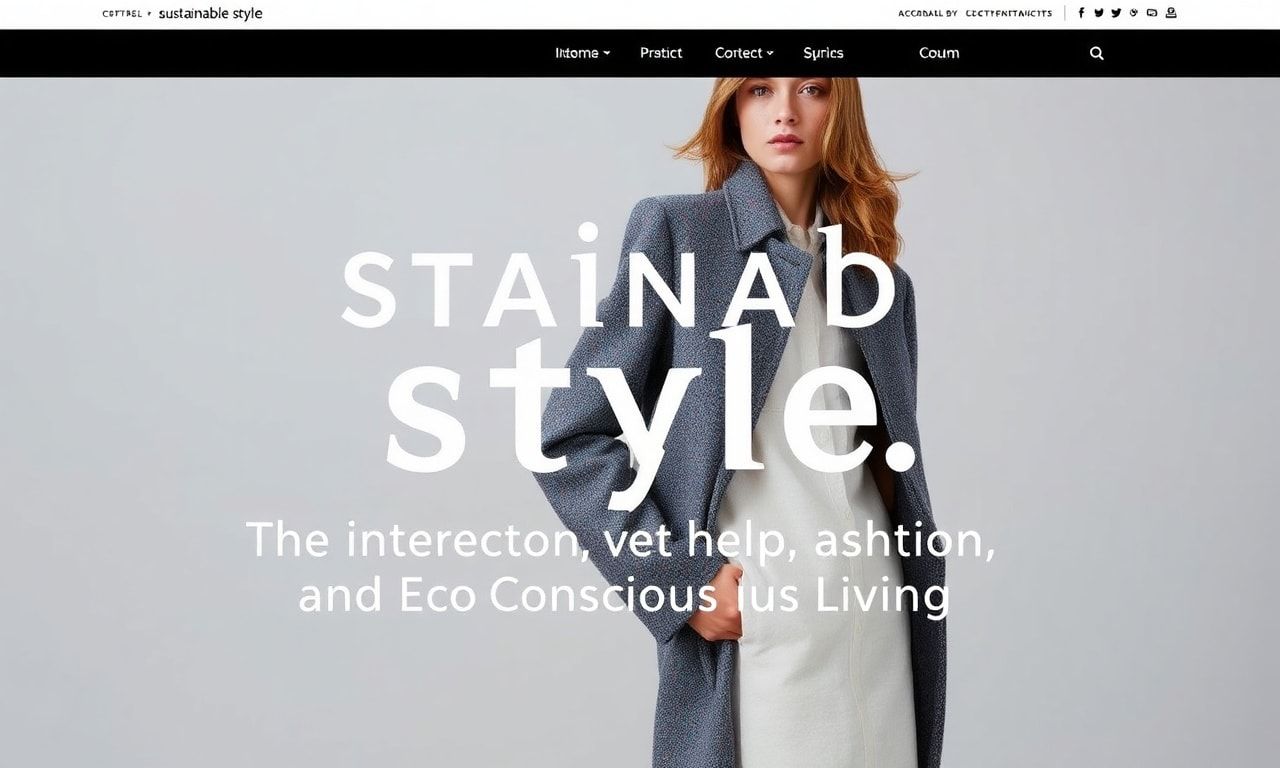
The Rise of Sustainable Fashion
The fashion industry is undergoing a significant transformation, with sustainability taking center stage. Consumers are increasingly aware of the environmental impact of their clothing choices, leading to a surge in demand for eco-friendly fashion. This shift is not just about being trendy; it’s about making a conscious decision to support ethical practices and reduce one’s carbon footprint. Brands are responding by adopting sustainable practices, from using organic materials to implementing zero-waste production methods.
Eco-Friendly Materials: What to Look For
When it comes to sustainable fashion, the materials used are crucial. Look for fabrics like organic cotton, hemp, linen, and recycled polyester. These materials have a lower environmental impact compared to conventional fabrics. Additionally, innovative materials like Piñatex, made from pineapple leaves, and Mylo, a mushroom-based leather alternative, are gaining popularity. These materials not only reduce waste but also offer unique textures and durability.
Another aspect to consider is the dyeing process. Traditional dyeing methods can be highly polluting. Brands that use natural dyes or waterless dyeing techniques are making strides in reducing their environmental impact. By choosing clothing made with eco-friendly dyes, you’re supporting a cleaner and healthier planet.
Home Improvement Ideas for Renewable Energy
Incorporating sustainable practices into your lifestyle extends beyond fashion. If you’re looking to make your home more eco-friendly, consider exploring home improvement ideas for renewable energy. From solar panels to energy-efficient appliances, there are numerous ways to reduce your home’s carbon footprint. Just as sustainable fashion is about making conscious choices, so too is creating an eco-friendly living space.
The Role of Thrifting and Upcycling
Thrifting and upcycling are becoming increasingly popular as ways to reduce waste and promote sustainable fashion. Thrifting involves purchasing second-hand clothing, which extends the life cycle of garments and reduces the demand for new production. Upcycling, on the other hand, involves transforming old or unwanted items into something new and fashionable. This not only reduces waste but also encourages creativity and individuality.
Many fashion brands are now embracing upcycling by creating collections from discarded materials. This approach not only reduces waste but also tells a unique story behind each piece. By supporting these brands, you’re contributing to a circular economy where resources are used more efficiently.
Sustainable Beauty: Complementing Your Eco-Friendly Wardrobe
Sustainable fashion is just one part of an eco-conscious lifestyle. Sustainable beauty practices are equally important. Look for beauty products that are cruelty-free, vegan, and packaged in recyclable or biodegradable materials. Brands that prioritize sustainability in their beauty products are making it easier for consumers to make eco-friendly choices.
In addition to choosing sustainable beauty products, consider the packaging. Many brands are now offering refillable options or packaging made from recycled materials. By making these small changes, you can significantly reduce your environmental impact.
Building a Sustainable Wardrobe
Building a sustainable wardrobe is about quality over quantity. Invest in timeless pieces that are versatile and can be worn in multiple ways. Choose brands that prioritize ethical practices and transparency in their supply chain. By building a wardrobe with these principles in mind, you’re not only reducing waste but also supporting a more sustainable fashion industry.
Another tip is to take care of your clothing properly. Washing clothes less frequently, using eco-friendly detergents, and air-drying instead of using a dryer can extend the life of your garments. By taking these steps, you’re ensuring that your clothing lasts longer and reduces the need for frequent replacements.
Tips for a Sustainable Wardrobe
Here are some tips to help you build a sustainable wardrobe:
- Invest in high-quality, timeless pieces.
- Choose brands that prioritize ethical and sustainable practices.
- Take care of your clothing to extend its life.
- Consider thrifting and upcycling to reduce waste.
- Support brands that use eco-friendly materials and dyes.
By following these tips, you can create a wardrobe that is not only stylish but also sustainable. Remember, every small step counts towards a more eco-friendly future.
Discover how to merge style and sustainability with our guide to elegant eco-friendly fashion choices, showcasing the latest trends in conscious clothing.
Eager to make your wardrobe more eco-friendly? Discover how to embrace sustainable fashion trends with our latest style guide.
