
8 min read · Updated: 2026-10-11
You’re balancing style with practicality when shopping for jewelry, clothing, and beauty looks. This guide helps you spot value, avoid overbuying, and choose services that fit your life. You’ll learn concrete steps you can apply as you browse, compare, and decide on fashion purchases.
From choosing the right piece to understanding care and returns, you’ll gain a clear framework. We’ll translate common shopping concerns into doable actions and checklists you can reuse.
By staying mindful of fit, fabric, and finish, you’ll build a wardrobe that stays chic over seasons without confusion or regrets.
- A practical buyer’s guide designed for fashion readers. It focuses on quality, value, and clear steps you can apply today.
- You’ll learn how to compare options, set a sensible budget, and avoid common shopping mistakes.
- The guide uses real-world examples and plain language to help you shop with confidence across jewelry, clothing, and beauty.
Basics you can trust
What to look for in quality
Start with the basics: cut, setting, and metal type matter for jewelry pieces that last. Check even edges, secure clasps, and consistent finishing. For clothing, look at stitching, seams, and fabric weight to gauge durability. echtscheidingsadvocaat zoeken
- Prioritize solid construction over flashy details
- Verify closure integrity and fabric weight
- Choose verified sizes and fit when shopping online
In practice, test fit by moving naturally and wearing the item for a day’s wear. If a piece feels flimsy, consider alternatives that offer the same style with better construction.
- Inspect clasps and closures;
- Feel fabric heft and drape;
- Check stitching at seams
- Inspect clasps and closures;
- Feel fabric heft and drape;
- Check stitching at seams
Compare service options
When buying fashion services like tailoring or styling, compare what each offers beyond the core product. Look at turnaround times, alteration policies, and return windows. A good tailor should explain potential changes and costs up front.
Ask for fabric care guidance and aftercare options, especially for delicate pieces. This saves you returns and preserves look and feel over time.
- Assess alteration fees upfront;
- Confirm care instructions;
- Check return and warranty terms
- Assess alteration fees upfront;
- Confirm care instructions;
- Check return and warranty terms
Ways to choose pieces

How to pick for your life
Choose items that fit real usage: daily wear pieces should be versatile, while event pieces can be bolder but still easy to style. Consider color, silhouette, and how often you’ll actually reach for an item. https://utrechtkrant.nl/
Plan a small rotation of accessories to mix with outfits; this keeps your look fresh without overpacking the closet. Confidence comes from knowing you have reliable favorites.
- Pick versatile staples;
- Add one bold piece per season;
- Favor pieces that pair with multiple outfits
- Pick versatile staples;
- Add one bold piece per season;
- Favor pieces that pair with multiple outfits
Budget smart while staying stylish
Set a practical limit and prioritize items that lift multiple outfits. Split your budget between core pieces and occasional statement accessories to maximize impact.
Track wearability by imagining how often you’ll reach for each item in a month. If the piece won’t earn its keep, reassess before purchase.
- Allocate funds to versatile basics;
- Reserve funds for statements you truly love;
- Avoid impulse buys that don’t fit your wardrobe
- Allocate funds to versatile basics;
- Reserve funds for statements you truly love;
- Avoid impulse buys that don’t fit your wardrobe
Common pitfalls to avoid
Red flags to notice
Shiny surfaces or discounts can mask fit issues. Always check return policies, especially for online orders, and verify your size with a trusted measurement as sizes vary by brand.
- Avoid purchases without clear return policies
- Test movement and comfort before buying
Don’t rely on flashiness alone; test comfort, movement, and how a piece looks in daylight. If it causes hesitation, it’s probably not a good buy.
- Check return terms;
- Test movement;
- Compare with similar pieces
- Check return terms;
- Test movement;
- Compare with similar pieces
| Option | Pros | Cons |
|---|---|---|
| Versatile basics | Easy to mix and match | May feel plain to trend seekers |
| Statement piece | Adds impact to outfits | Can overwhelm a wardrobe if overused |
| Tailored piece | Perfect fit, long life | Higher cost and longer wait times |
Overbuying solutions
Create a simple rule: if something doesn’t earn a place in two outfits, pass. This keeps your closet lean and focused on what you actually wear.
Use a trial period for new trends, then evaluate. If you’re still excited after a month, invest more confidently.
- Apply a two-outfit rule;
- Try trends for a season;
- favor timeless over loud
- Apply a two-outfit rule;
- Try trends for a season;
- Favor timeless over loud
List gaps and colors you already own, then match new items to fill those gaps.
Tips to shop with confidence

What to do before you buy
Lay out your current wardrobe needs to guide your choices. List gaps and colors you already own, then match new items to fill those gaps.
Read care labels and fabric details so you know how to wash and store pieces properly. This reduces damage and keeps items looking new longer.
- List wardrobe gaps;
- Check care labels;
- Plan outfits first
- List wardrobe gaps;
- Check care labels;
- Plan outfits first
How to make a smart return plan
Before buying, confirm where you’ll send returns and how long you have to ship back. Efficient returns save time and avoid clutter from unused items.
Keep receipts and track numbers until you’re sure a purchase is settled. A simple system avoids lost packages and mismatched refunds.
- Confirm return address and window;
- Save order numbers;
- Photograph packaging when shipping
- Confirm return address and window;
- Save order numbers;
- Photograph packaging when shipping
Ethical sourcing and style impact
Understanding sourcing choices
Ethical sourcing shapes both the story and the drape of a garment. When you know where materials come from, you can assess durability, texture, and fit with greater clarity. This matters for fashion readers who value pieces that last through seasons and trends alike.
- Ask about the supply chain and factory oversight.
- Seek certifications or third-party assurance when available.
- Choose pieces that show consistent material quality across sizes and colors.
- Favor brands that publish annual sustainability updates.
Consider how a supplier’s practices affect the look and feel of a product. Fair labor and responsible materials often align with higher quality finishes and longer wear. Your choices can influence a brand’s standards and the broader industry.
The key is to translate values into visible results: sturdy hardware, precise stitching, and fabrics that hold color over time. Look for transparent information on where fibers are produced and who trims the piece. That transparency helps you predict how the item will perform day to day.
- Look for material origin notes
- Check stitching and finish
- Notice colorfastness and texture
- Prefer brands with clear supply chains
Care and durability
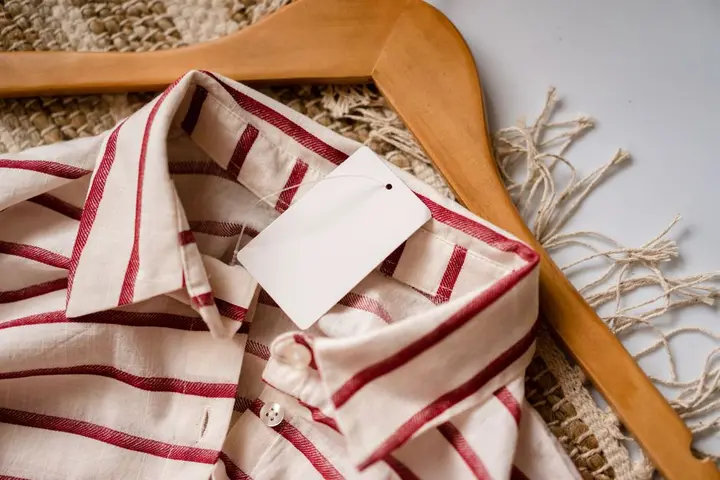
Materials and long-term wear
Durability starts with material choice and construction. Natural fibers often age gracefully, while blends can offer better resilience for daily wear. Understanding a fabric’s care needs helps you keep a piece looking sharp longer.
Think about how a garment moves with you. Strong seams, balanced weight, and proper linings reduce puckering and stretching. Your comfort and confidence in an item grow when it holds its shape after multiple wears.
Practical care steps extend life: washing inside out, following temperature guidance, and air-drying delicate fabrics. Small habits compound over time, preventing color fade and fiber breakage. A well-cared piece remains useful through changing weather and evolving styles.
- Inspect seams and trims
- Check washing instructions
- Consider fabric recovery after wear
- Air-dry sensitive fabrics
Online shopping tips
Sizing, photos, and returns
Online shopping hinges on reliable size guidance and clear photos. Check model measurements and compare with your own to minimize fit surprises. Read product angles and zoom in on fabric texture to gauge weight and drape.
- ☐ Measure yourself and compare to site charts.
- ☐ Note fabric feel from descriptions and photos.
- ☐ Review return windows and conditions.
- ☐ Save order details for easy exchanges.
Photo quality matters as a stand-in for touch. If a site offers 360-degree views and close-ups, you’ll understand stitching and finish better. Review the return policy early so you know how easy exchanges are if things don’t meet expectations.
A practical approach is to buy one item first to test fit and comfort before buying multiples. Use size charts that include bust, waist, hip, and length measurements. Keep track of care labels so you can plan future purchases with consistency.
- Compare multiple photos
- Check size charts thoroughly
- Read return policies
- Test fit with a single item first
Personalizing your fashion story

Building a signature style
Your fashion story grows from a few anchor pieces and consistent details. Start with a color palette and fabric family that suits your lifestyle. A coherent wardrobe reduces decision fatigue and sharpens your personal look.
Add character with thoughtful accents: a distinctive ring, a sculptural necklace, or a bold belt. Accessories often define an outfit’s mood and can be swapped without overhauling your whole wardrobe.
Over time, document outfits that feel authentic. Note which items pair well with more than one occasion and which silhouettes flatter your body shape.
The goal is versatility, not excess. Prioritize items that carry through different events and seasons. A refined set of core pieces makes trending items easier to integrate.
- Define your color baseline
- Choose versatile silhouettes
- Curate a small accessory library
- Audit outfits weekly for cohesion
Frequently asked questions
How can I verify an ethical claim on a fashion site?
Look for transparent sourcing information, supplier locations, and any third-party certifications. Read the brand’s sustainability reports if provided, and compare claims to industry norms. Consider whether the claim matches visible quality cues like stitching and fabric choice.
What should I do if a piece doesn’t fit as expected online?
Check the size chart carefully and compare your measurements to the product’s listed ones. Review the return policy before buying. If possible, order multiple sizes for a single item and return the ones that don’t fit.
Are price drops worth chasing for quality fabrics?
Price drops can help, but focus on fabric quality and construction. A lightly discounted item made with sturdy stitching and durable fibers often offers better value than a deeply discounted fast-fashion piece.
How many pieces should a practical capsule include?
Aim for a core set of versatile items you wear weekly, plus a few seasonal accents. The exact number varies with your lifestyle, but prioritize items that mix and match well with existing pieces.
Practical wardrobe evolution
Building a wardrobe that fits your life means balancing ethics, care, and personal taste. Start with a few anchor pieces and let consistency guide future buys. A thoughtful approach reduces waste and strengthens your sense of style.
Take one small step this week: review return policies across your favorite sites and pick one area to improve, like fabric knowledge or fit accuracy. Small, steady changes compound into a clearer, more confident fashion story.


