
16 min read · Updated: 2026-11-28
Stainless steel jewelry usually resists tarnishing because its chromium content forms a thin protective surface layer when exposed to oxygen. It can still lose its shine, collect grime, or show scratches, and plated finishes may wear with use. Salt, chlorine, harsh cleaners, and damp storage can also affect appearance, so gentle cleaning and sensible storage help keep pieces looking good.
The words “stainless steel” describe a family of alloys, not one identical recipe or finish. Jewelry may be polished, brushed, colored, or plated, and those surface treatments can change how it looks and how much care it needs.
Use mild soap and water for routine cleaning, dry each piece thoroughly, and remove jewelry before swimming or using strong household cleaners. If you are choosing between stainless steel and sterling silver, consider the finish you prefer as well as the care you are willing to give it.
- Stainless steel usually resists tarnish, though scratches, residue, and worn coatings can change its appearance.
- Keep jewelry away from chlorine, harsh cleaners, and prolonged dampness.
- Clean with mild soap, water, and a soft cloth, then dry thoroughly.
- Choose care methods based on the piece’s metal and finish.
What Stainless Steel Jewelry Is Made Of
The Alloy Behind the Finish
Stainless steel is an iron-based alloy containing chromium, which helps form a thin protective layer on the surface. That layer limits ordinary corrosion and is why stainless steel generally resists tarnish better than metals that react more readily with air. Jewelry makers may use different grades, so the label alone does not tell you every detail.
Other elements can be added to adjust strength, workability, or resistance to corrosion. For shoppers, the practical point is that a well-made steel piece can suit frequent wear, but no alloy is invulnerable to scratches or damaging chemicals. Product descriptions may identify a grade; when they do, treat it as useful information rather than a guarantee of care-free wear.
Steel jewelry can be finished in several ways, including a bright polish, a soft brushed texture, or a colored surface treatment. These finishes affect the look and may be more vulnerable than the underlying metal. If you are curious about how brands outsource promotion, white label link building can be a separate business-side consideration.
Grades and Surface Treatments
A steel grade describes the alloy’s composition and properties, but shoppers do not need to memorize technical classifications to choose everyday jewelry. Look for clear product information about the material and finish, especially if you are comparing a plain steel item with a colored or plated one. Vague descriptions make it harder to know what care the piece needs.
A polished surface reflects more light, while brushed steel has a muted, directional texture that can disguise small marks. Gold-tone or other colored pieces may use a coating over steel, so their appearance depends partly on that outer layer. Take care not to scrub or polish these surfaces as though they were uncoated metal.
A clasp, setting, or decorative attachment may use a different material from the main body of a piece. Check the full description instead of relying on a single material label, particularly if you want consistent color or need to avoid a specific metal. When details are missing, ask the seller which parts are steel and whether any finish is applied.
How Stainless Steel Jewelry Holds Up to Everyday Wear
Water, Sweat, and Chemicals
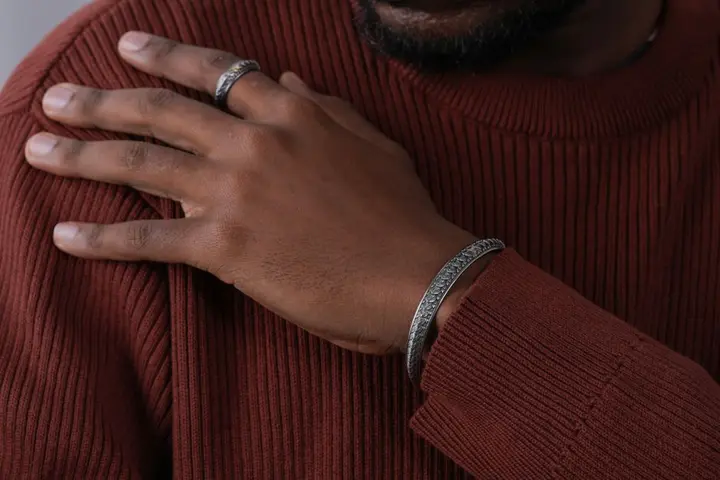
Ordinary contact with clean water usually does not make stainless steel tarnish, but leaving jewelry wet can trap soap, sweat, or residue against the surface. Dry pieces after washing your hands or getting caught in rain, and remove them before swimming. Chlorine and salt water can be harsher than a quick rinse under a tap.
- Wearing jewelry in chlorinated water; remove it before swimming.
- Spraying perfume over a piece; apply fragrance first and let it dry.
- Putting damp jewelry away; dry it fully before storage.
Perfume, hairspray, lotions, and household cleaners may leave films or expose jewelry to chemicals that dull a finish. Put jewelry on after personal-care products have dried, and take it off before cleaning or handling bleach. A quick wipe with a soft cloth after wear helps remove oils before they build up.
If you are exploring an independent jewelry business, a guest post marketplace can show how publishers and brands connect. For everyday wear, however, the more relevant choice is whether the piece has a plain steel surface or a coating that needs extra protection. Follow any care guidance supplied for that specific finish.
- Remove pieces before swimming in pools or the sea.
- Take jewelry off before using household cleaners.
- Let lotion and perfume dry before putting jewelry on.
- Wipe away sweat and moisture after wear.
Scratches and Finish Wear
Stainless steel resists corrosion, but it can still scratch when rubbed against harder objects or stored loose with other jewelry. Keep pieces in separate soft pouches or compartments, and avoid tossing chains and rings together in a bag. This simple habit reduces friction and helps preserve both polished and brushed surfaces.
Small marks may be more visible on a mirror-like polish than on a brushed finish. A scratch does not necessarily mean the metal is tarnishing; it is a change to the surface that cleaning alone will not remove. Avoid aggressive home polishing, especially on colored or coated jewelry, because it can make the finish uneven.
Check clasps and links occasionally for looseness, and stop wearing a piece if a component catches or feels unstable. Everyday knocks can affect moving parts even when the steel itself remains in good condition. Handle delicate details gently, and ask a jeweler about repair options rather than bending a damaged part back and forth.
How to Clean Stainless Steel Jewelry at Home
A Gentle Soap-and-Water Clean
For routine cleaning, use lukewarm water, a little mild dish soap, and a soft cloth. Wipe the jewelry gently to loosen skin oils and everyday residue, then rinse away all soap with clean water. Dry the piece completely with a lint-free cloth before returning it to storage.
For a chain or a piece with small crevices, use a soft-bristled toothbrush with light pressure rather than scraping at the surface. Keep the brush clean, and work carefully around clasps, settings, and decorative details. If the item has a colored coating, begin with a cloth and avoid brushing unless its care instructions allow it.
If you sell jewelry as well as wear it, buy sponsored posts is one option to learn about paid editorial promotion. For cleaning your own piece, start with the mildest method and test it on an inconspicuous area if you are unsure about the finish. Stop if color transfers to the cloth or the surface changes.
- Mix mild soap with lukewarm water.
- Wipe gently with a soft cloth.
- Use a soft brush only for accessible crevices.
- Rinse thoroughly and dry completely.
| Method | Best for | Main caution |
|---|---|---|
| Dry soft cloth | Fingerprints and light residue | Use a clean, lint-free cloth |
| Mild soap and water | Everyday oils and grime | Rinse away all soap |
| Soft-bristled brush | Accessible chain crevices | Use light pressure |
| Silver polishing cloth | Sterling silver pieces | Do not use on coated steel |
Choosing the Right Cleaning Method
A dry microfiber or lint-free cloth is often enough to remove fingerprints after a day of wear. Use soap and water when a piece feels sticky or looks cloudy, then dry it well to prevent water spots. Avoid assuming that a stronger cleaner will produce a better result on a delicate finish.
Do not use bleach, abrasive powders, rough scouring pads, or strong chemical dips on jewelry. These can damage surface treatments, leave scratches, or affect attached materials. Ultrasonic cleaners are not automatically suitable either, particularly for pieces with glued details, coatings, or loose settings; check the maker’s instructions first.
For a stubborn mark, clean gently once and inspect the result rather than repeating increasingly forceful treatments. A persistent change in color or a worn coating may need professional advice, not more scrubbing. If a piece combines steel with another material, follow the most cautious care guidance for the components together.
Stainless steel generally resists tarnish more readily than sterling silver, which can darken as it reacts with substances in the air and on skin.
How Stainless Steel Compares With Sterling Silver
Different Metal, Different Care
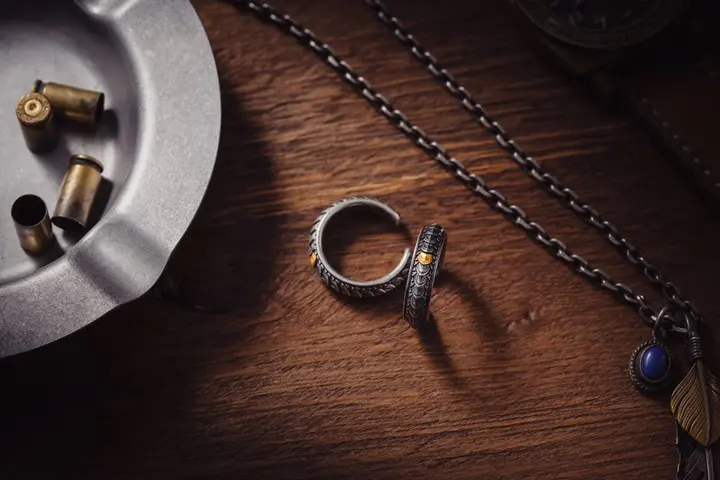
Stainless steel generally resists tarnish more readily than sterling silver, which can darken as it reacts with substances in the air and on skin. That difference makes steel a practical choice for shoppers who want a piece that needs little routine polishing. Both metals can scratch, and neither should be treated as indestructible.
- ☐ Check whether the piece is plain steel or coated.
- ☐ Read the material details for every component.
- ☐ Choose a cleaning method made for that metal.
- ☐ Store each piece dry and separate from others.
Sterling silver can often be brightened with a suitable silver polishing cloth, while steel usually needs only gentle washing and drying. Do not use silver polish on colored steel or plated jewelry unless the maker says it is safe. Match the cleaning method to the metal and finish rather than applying one product to every piece.
A jewelry brand owner looking beyond personal care advice may find press release distribution uk relevant when sharing company news. For shoppers comparing materials, the more immediate question is whether they prefer silver’s familiar brightness or steel’s low-maintenance character. The design, finish, and construction matter as much as the metal name.
Choosing for Your Routine
Choose stainless steel if you want a durable-looking everyday option and prefer not to polish jewelry often. Choose sterling silver if you enjoy its traditional appearance and are comfortable cleaning it when tarnish develops. The best choice depends on how you wear and store jewelry, not on a claim that one metal suits everyone.
Consider the finish before deciding: bright polished steel, colored steel, and sterling silver each have a different look and may show wear differently. A coated surface can need gentler handling than plain steel, while silver may require occasional polishing. Compare the care information for the actual item, not just a broad material category.
If possible, check the clasp, edges, and joins as well as the visible surface. Secure construction and a finish that suits your habits can make a piece more satisfying over time. For jewelry worn daily, remove it for swimming, cleaning, and rough tasks regardless of whether it is steel or silver.
What Can Dull or Damage a Stainless Steel Finish
Everyday Contact and Residue
Perfume, lotion, sunscreen, and household cleaners can leave a film that makes stainless steel look dull. Apply personal-care products before putting on jewelry, then let them dry fully. Chlorine and harsh cleaning solutions may also affect the surface, so remove pieces before swimming or cleaning with strong chemicals.
Friction is another common cause of a less polished appearance. A bracelet rubbing against a desk or a necklace catching on a zipper may collect scratches over time, especially if it has a bright, mirror-like finish. Take jewelry off for activities involving repeated contact with hard surfaces or tools.
If you run a jewelry business and want to share product-care guidance, guest posting services uk may help arrange articles with relevant publications. For everyday wear, the practical point is simpler: keep pieces away from abrasive materials and wipe off product residue before it builds up. Small habits can preserve a clean finish.
Scratches and Surface Changes
Stainless steel resists many forms of corrosion, but its surface is not scratch-proof. Sand, grit, and contact with harder objects can leave fine marks, while rough polishing may change the original sheen. A brushed finish can also look uneven if one area receives more rubbing than the rest.
Some pieces combine steel with plating, colored coatings, or decorative stones, and those details may need gentler treatment than the metal itself. Avoid assuming that every component can handle the same cleaner or polishing method. Check the seller's care guidance, particularly when the piece has a special finish.
A change in appearance does not always mean the steel is tarnishing. Residue can make it look dull, and fine scratches can scatter light differently from a smooth surface. Clean gently first; if the mark remains, avoid aggressive scrubbing, which could make the finish more uneven.
Simple Habits That Help Jewelry Stay Looking Its Best
A Wear and Removal Routine
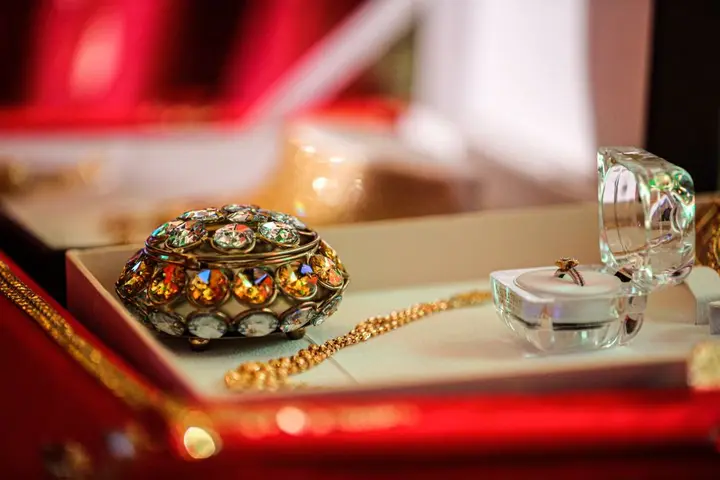
Put jewelry on after dressing and applying cosmetics, and remove it before bathing, swimming, or using cleaning products. This order reduces contact with residue and chemicals without adding much effort to a daily routine. Wipe pieces with a soft, dry cloth when you take them off, especially after a warm day.
- Remove jewelry before bathing, swimming, or handling cleaners.
- Wipe away visible lotion, sweat, or dust with a soft cloth.
- Clean persistent residue gently using suitable care instructions.
- Dry the piece completely before putting it away.
Choose one small dish or tray as a temporary landing place for rings and earrings. That makes it easier to find them and less likely that they will be left near a sink, where soap and water can collect. If you promote a jewelry brand, an seo agency directory can help you locate marketing specialists.
Keep your routine gentle and consistent rather than waiting until a piece looks visibly dirty. A quick wipe removes skin oils before they build up, while occasional cleaning can address more noticeable residue. Use a separate cloth for jewelry, not one that may contain grit from cleaning other objects.
- Apply cosmetics before putting jewelry on.
- Remove pieces before swimming or cleaning.
- Wipe each item with a soft cloth.
- Use a dedicated tray when removing jewelry.
Care for Mixed Materials
When a piece includes steel alongside stones, enamel, or another metal, follow the care needs of its most delicate component. A method that is safe for plain steel may loosen a setting or affect a coating. If the materials are unclear, use a dry cloth and ask the seller before trying a stronger cleaner.
Check clasps, links, and earring backs while wiping jewelry. These small areas can hold dust or product residue, and a loose connection may cause a piece to fall even when the metal looks clean. Handle each item over a table or soft cloth so a slipping stud or charm is easier to find.
Avoid using paper towels, rough sponges, or abrasive powders for routine care. Their texture can create fine scratches that are more noticeable on polished surfaces. A soft microfiber or jewelry cloth is a safer choice; keep it clean, since trapped grit can rub against the finish instead of lifting residue.
Choosing Stainless Steel Pieces for Your Routine
Match Design to Daily Wear
Choose a design that fits the activities you do most often, rather than relying on the metal alone to make a piece suitable for every situation. A simple pair of studs is less likely to catch on clothing than long, dangling earrings, while a slim bracelet may be easier to wear beside a watch.
Consider how much contact a piece will have with bags, sleeves, desks, or sports equipment. Smooth shapes and secure closures can be practical for busy days, while pieces with raised details may need to be removed more often. Think about comfort, too: a heavier style can feel distracting during long wear.
Inspect the finish and construction before buying. Look for even color, smooth edges, and clasps that open and close securely. If a design includes stones or a colored coating, read the care details so you know whether it is suitable for your routine and what contact to avoid.
Consider Finish and Comfort
A polished surface reflects more light and can show fine scratches more readily than a brushed or matte finish. That does not make one option better for everyone; it simply changes how visible wear may appear. Choose the look you enjoy, then match your care habits to the finish.
Pay attention to fit as well as appearance. Rings should sit comfortably without pinching, and earrings should feel balanced rather than pulling on the ear. For bracelets and necklaces, check that the length allows normal movement without catching or pressing against the skin during everyday tasks.
If you are comparing several pieces, imagine how each one fits with the jewelry you already wear. A versatile chain or understated hoop may be easier to pair repeatedly, while a statement design may be best for occasional use. A thoughtful choice can reduce unnecessary handling and help a favorite piece stay in rotation.
Storing and Caring for Stainless Steel Jewelry
Keep Pieces Separate
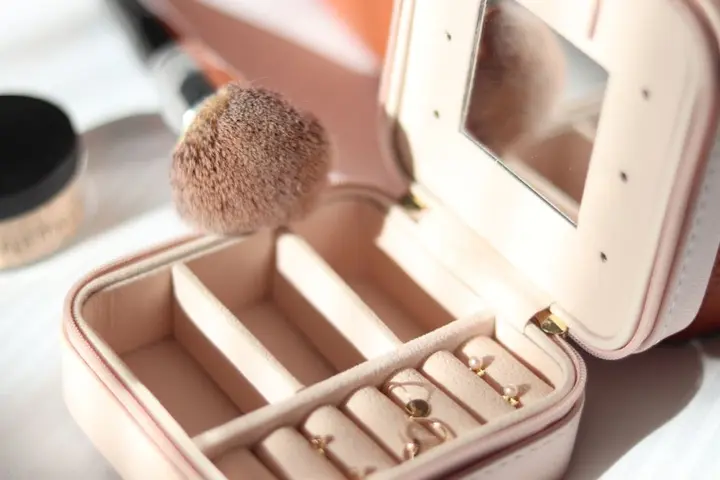
Store jewelry in a dry place and keep pieces from rubbing against one another. Separate compartments, small pouches, or a lined jewelry box help prevent chains from tangling and reduce scratches from contact with other items. Make sure each piece is clean and dry before storing it.
- Store jewelry clean and completely dry.
- Separate pieces to limit scratches and tangles.
- Choose a dry, consistent storage place.
Avoid leaving jewelry loose in a handbag, drawer, or bathroom cabinet. Keys and other hard objects can scratch a polished surface, while damp surroundings may leave water spots or encourage residue to collect. A consistent storage spot also makes it easier to notice if a clasp or stone needs attention.
Fasten necklaces before putting them away, then lay them flat or hang them where they cannot snag. Keep earrings paired together, and place rings in a divided section rather than stacking them. These simple arrangements limit tangles and abrasion, so taking a piece out for its next wear is less likely to damage it.
Check and Refresh Regularly
Give frequently worn pieces a quick visual check when you put them away. Look for residue around clasps, links that seem bent, or settings that feel loose. Catching a small problem early can help prevent a lost charm or stone and gives you a reason to clean the piece before wearing it again.
If jewelry has been stored for a while, inspect it before putting it on. A chain may have become tangled, or a clasp may need careful handling after sitting unused. Wipe away dust with a soft cloth, and avoid pulling sharply on knots; loosen them patiently to protect the links.
Keep care instructions with the piece or note them where you can find them, especially for jewelry with coatings or mixed materials. When you are unsure how to address a persistent mark or loose setting, ask the seller or a qualified jeweler rather than experimenting with abrasive products. Gentle care is usually the safest first step.
Frequently asked questions
Can stainless steel jewelry get wet?
Plain stainless steel can generally handle occasional contact with water, but it is still sensible to dry jewelry afterward. Soap, pool chemicals, and salt can leave residue or affect other components, such as plating, stones, or coatings. Remove pieces before swimming or showering when possible, and follow the care guidance for the specific design.
Why does my stainless steel jewelry look cloudy?
A cloudy appearance is often caused by lotion, soap, sweat, or other residue on the surface rather than tarnish. Wipe the piece with a clean, soft cloth and, if needed, clean it gently according to its care instructions. If the cloudiness remains, the piece may have scratches or a coating that needs more specialized care.
Is stainless steel jewelry suitable for everyday wear?
Many people choose stainless steel for everyday jewelry because it is durable and generally resists corrosion. Still, no piece is immune to scratches, residue, or damage to decorative finishes. Consider the design, fit, and materials, and remove jewelry for activities involving chemicals, hard surfaces, or repeated friction.
How can I tell whether stainless steel jewelry is tarnished?
Tarnish usually refers to a chemical change on a metal surface, while dullness can come from oil, product residue, or fine scratches. Start with gentle cleaning and drying to see whether the appearance improves. If a mark persists, check whether the piece has a coating or mixed materials before trying a polishing product.
Keep Stainless Steel Looking Its Best
Stainless steel jewelry usually resists tarnish, but its finish can still collect residue or pick up scratches through daily contact. Applying cosmetics before dressing, removing pieces around cleaners and swimming, and wiping them with a soft cloth are straightforward ways to keep them looking cared for. For designs with stones, plating, or coatings, let the most delicate material guide your cleaning and storage choices.
Choose pieces that suit how you actually dress and move, then give them a dry, separate place to rest between wears. Start with a quick check of your most-used items today: wipe away any film, inspect clasps and settings, and store each piece where it will not rub against other jewelry. That small reset makes the next wear easier and safer.


