
15 min read · Updated: 2026-11-28
Clean gold-tone jewelry with a soft, lint-free cloth and, when needed, a little lukewarm water with mild soap. Wipe gently rather than scrubbing, rinse away any soap with a damp cloth, then dry the piece completely before storing it. Avoid soaking, abrasive cleaners and chemicals, which can wear down the thin gold-colored surface.
Gold-tone describes the color and finish, not necessarily the metal beneath it. The coating may sit over different base materials, so the safest routine is the gentlest one and any care instructions supplied with the piece should take priority.
A few small habits help preserve the finish: clean jewelry after wear, keep it away from cosmetics and household cleaners, and store it dry and separate from other pieces. The guidance below explains what to check before cleaning and how to choose a method that suits the jewelry.
- Start with a soft, dry cloth and use light pressure.
- Use a little mild soap and water only when needed, then remove residue and dry the piece completely.
- Avoid soaking, abrasive tools, metal polish and contact with household chemicals.
- If the finish is peeling or the jewelry has loose parts, stop cleaning and ask the seller or a jeweler for guidance.
What gold-tone jewelry is made of
Color Is Not a Metal Type
Gold-tone jewelry describes a gold-like appearance, not one specific metal or construction. A piece may have a colored coating over a base metal, while another may use a different finish altogether. Because the underlying material varies, the label alone cannot tell you how thick or durable the surface is.
- Read the product description and any care card.
- Look for details about the base metal and finish.
- Inspect clasps and settings for loose parts.
- When the construction is unclear, use a dry, soft cloth.
Check the product description, packaging or care card for terms such as plated, coated or gold-tone, and note any listed base metal. These details can clarify what the finish covers, but they do not always specify how it was applied. If the information is missing, treat the surface as delicate.
This distinction matters most when choosing a cleaning method. A cleaner suitable for solid gold can be too harsh for a thin decorative finish, and a polishing cloth may also remove color if it is abrasive. Start with a dry, soft cloth and use moisture only when ordinary wiping is not enough.
Read the Care Information
Follow the maker’s care advice when it is available, especially if the necklace includes stones, beads or mixed materials. Those components can react differently to water and cleaning products, so a method that suits a plain chain may not suit the entire piece. Keep the instructions with the jewelry for future reference.
If a listing uses broad terms such as gold-tone without explaining the construction, avoid assuming that the finish can withstand polishing or soaking. Ask the seller about recommended care if the piece has a special coating or delicate attachments. Until you know more, gentle dry wiping is the lower-risk choice.
Look closely at the jewelry before cleaning, too. Discoloration, peeling, rough patches or a loose setting can signal that wiping or moisture may make the problem worse. Pause routine cleaning in those cases and seek advice from the seller or a jeweler who can assess the item.
Why its surface needs gentle care
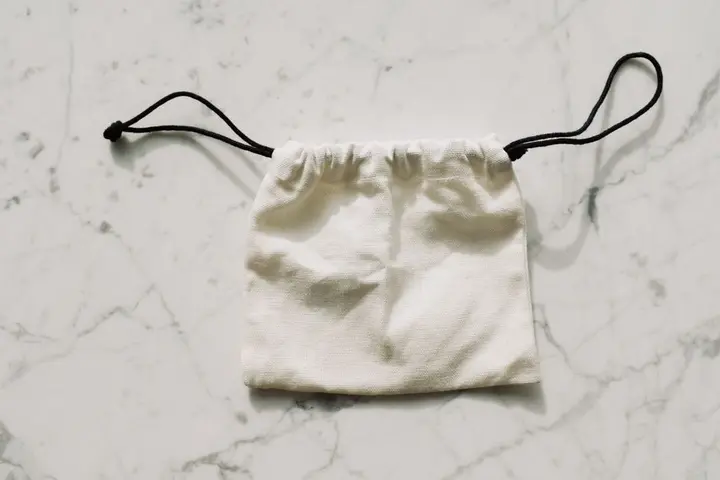
A Delicate Decorative Finish
The gold-colored surface is the part you see, and repeated friction can gradually change its appearance. Rubbing hard against a chain, clasp or setting may dull the finish or expose the material beneath it. Gentle cleaning removes surface residue while limiting the pressure that contributes to wear.
- Scrubbing hard; wipe lightly with a soft cloth instead.
- Soaking the piece; use a barely damp cloth when needed.
- Using metal polish; follow the jewelry’s care instructions instead.
Sweat, skin oils and everyday dust can collect where links meet or around a pendant. Leaving residue in place may make the jewelry look less bright, but aggressive scrubbing is not the answer. Use a clean, soft cloth and work lightly over accessible areas rather than forcing fabric into tight gaps.
The coating may wear faster at points that touch skin, clothing or other jewelry. Clasps and chain links often experience more movement than a pendant face, so inspect them periodically. A gradual change in color is different from removable dirt; cleaning cannot restore a finish that has already worn away.
Moisture and Chemicals Add Risk
Water left on jewelry can collect around links, settings and clasps, so dry each piece thoroughly after any damp cleaning. Prolonged soaking also exposes the finish and any attached components to moisture longer than necessary. Use a damp cloth only when a dry wipe cannot lift the residue.
Perfume, hairspray, lotions and household cleaners can leave deposits or contain ingredients that affect a decorative coating. Put jewelry on after applying personal-care products, and take it off before cleaning, swimming or showering. This simple order reduces contact without requiring special cleaning products.
Do not assume that a product is safe because it is marketed for jewelry. Some formulas are designed for particular metals and may be unsuitable for gold-tone finishes, stones or adhesives. Check the care instructions first; if they do not approve a cleaner, stick to a soft cloth and mild soapy water when necessary.
- Remove jewelry before showering or swimming.
- Apply perfume and lotion before putting on a necklace.
- Keep household cleaners away from jewelry.
- Dry the clasp and chain links after damp cleaning.
Choose care advice that suits your jewelry shop
Match Guidance to Your Pieces
Give shoppers care guidance that reflects the jewelry you actually sell, rather than treating every gold-tone piece as identical. A simple chain, a pendant with stones and a necklace with mixed materials may need different cautions. Check product details and supplier instructions before recommending a cleaning method.
Jewelry retailers serving Leicester can consult Leicester Seo Services when making care guidance easier for local shoppers to find. Keep the advice itself focused on the product: explain what materials are known, recommend gentle cleaning, and state which actions customers should avoid. Clear, consistent instructions help shoppers make safer choices after purchase.
A short care card can make the routine easy to follow at home. Use plain language, name the recommended cloth or cleaning method, and mention when to stop, such as if the finish looks damaged. Avoid promising that a coating will last indefinitely, because wear depends on use and care.
| Piece or situation | Gentle guidance | Avoid |
|---|---|---|
| Plain gold-tone chain | Wipe with a soft, dry cloth | Hard rubbing |
| Piece with stones | Check care instructions first | Soaking the whole piece |
| Unclear finish details | Use a dry cloth and ask the seller | Metal polish |
| Visible peeling or roughness | Stop and seek advice | Further polishing |
Make Instructions Easy to Use
Place care information where shoppers can find it before and after buying, such as alongside product details and inside the package. Keep the instructions consistent across those locations so customers do not receive conflicting advice. If a piece has special components, make its specific warning easy to notice.
Be precise about what “gentle” means: use a soft, clean cloth, apply little pressure, and avoid abrasive pads. If mild soap and water are suitable for the piece, specify that it should be used sparingly and followed by careful drying. Concrete actions are easier to follow than vague reassurance.
Review care notes when product materials or supplier instructions change. Remove suggestions that no longer apply, especially broad recommendations to polish or soak all jewelry. A practical instruction should help customers clean visible residue while making clear that cleaning cannot repair worn plating or a damaged coating.
- Name the recommended cloth and cleaning method.
- Call out piece-specific materials or attachments.
- Explain when to stop and ask for guidance.
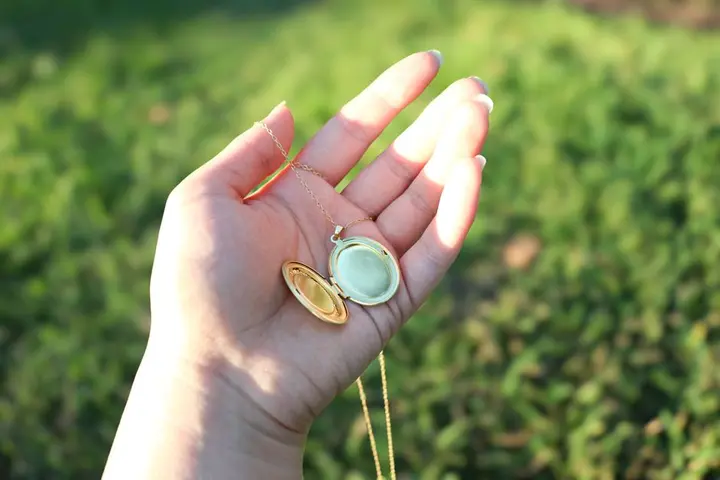
Begin by wiping the necklace with a clean, soft, lint-free cloth to remove dust and skin oils.
How to clean gold-tone jewelry at home
Start With a Gentle Wipe
Begin by wiping the necklace with a clean, soft, lint-free cloth to remove dust and skin oils. Hold the chain loosely so you do not pull on the links or clasp, and use light strokes rather than rubbing back and forth with pressure. This dry method is often enough for routine care.
- Start with a clean, soft cloth and light pressure.
- Use minimal moisture only when dry wiping is not enough.
- Remove soap residue and dry the piece completely.
If residue remains, dampen a corner of the cloth with lukewarm water and add only a small amount of mild soap if needed. Test an inconspicuous area first, then wipe the surface gently. Avoid dipping the entire necklace into a bowl, particularly when it includes attached stones or other materials.
Use another clean cloth, lightly dampened with plain water, to remove soap residue. Then pat the piece dry and let it finish air-drying on a clean surface before putting it away. Check links and the clasp for lingering moisture, since water can stay trapped in small crevices.
Clean Without Scrubbing
Work in small areas so you can see whether the cloth is lifting residue without changing the finish. For a chain, support the links instead of pulling the necklace taut, and wipe along the length with gentle movements. Stop if the surface looks patchy, feels rough or begins to shed color.
Do not use a toothbrush, scouring pad or gritty paste to reach tight spaces. These tools can abrade a delicate coating even when the dirt seems stubborn. If grime remains around a clasp or pendant edge after a careful wipe, ask the seller or a jeweler for advice rather than escalating to harsher cleaning.
Finish by checking the necklace under good light and making sure it is fully dry. Store it separately in a clean, dry pouch or compartment to limit rubbing against harder jewelry. If the gold tone has faded or peeled, home cleaning will not replace the missing finish, so avoid further polishing.
Help shoppers find clear product-care information
Make Care Instructions Easy
Put the care guidance where shoppers can use it: beside the product details or in a clearly labeled care area. Explain that gold-tone jewelry has a surface finish that can wear with friction, moisture, or chemicals. For jewelry shops improving their online product and care pages, Seo Services can provide support with content and site visibility.
Use specific directions rather than broad assurances such as “easy to care for.” Say to wipe the piece with a soft, dry cloth after wearing, keep it away from sprays and lotions, and store it separately. Clear instructions help buyers understand how everyday choices affect the finish before they purchase.
Keep product descriptions consistent with the care guidance. If one page recommends a damp cloth while another says to avoid moisture, shoppers cannot tell which advice applies. Check listings when details change, and distinguish gold-tone pieces from solid gold or gold-plated items when the materials call for different care.
Answer Questions Before Purchase
Address common care questions in plain language before a shopper has to contact support. Explain whether a piece should be removed before bathing or swimming, what cloth to use, and where to store it. Avoid claiming that a finish is waterproof or permanent unless the product information clearly supports that statement.
A short care note can also clarify what not to use. Name abrasive pads, polishing compounds, and household cleaners as unsuitable choices for a delicate gold-tone surface. This gives shoppers a useful boundary instead of leaving them to guess whether a familiar product is gentle enough.
Review customer questions for recurring points of confusion, then update the relevant product pages or care guidance. If buyers repeatedly ask whether a piece can be worn in the shower, make the answer easy to find. Consistent, practical information can set realistic expectations and help people care for what they buy.
Common cleaning mistakes that can damage the finish
Skip Harsh Cleaning Products
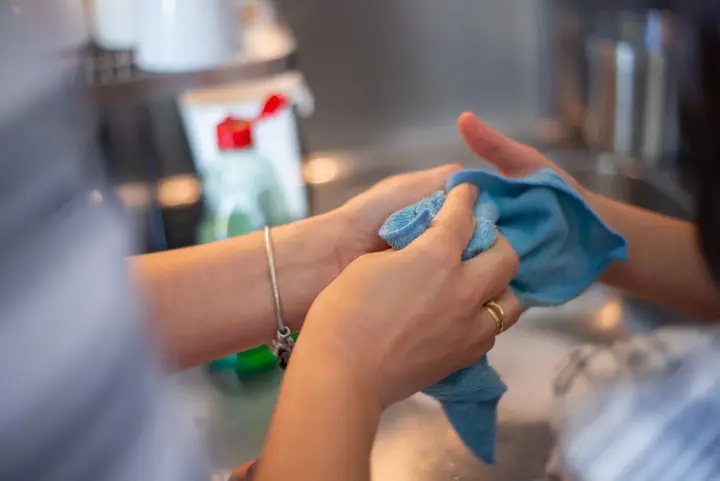
Do not reach for silver polish, metal dip, bleach, or multipurpose household cleaner when a gold-tone piece looks dull. Products made to clean other materials can be too aggressive for a thin decorative finish. Start instead with a clean, soft cloth and use light pressure, stopping if the color begins to change.
- ☐ Choose a clean, soft cloth.
- ☐ Wipe gently without scrubbing.
- ☐ Keep sprays and cleaners away.
- ☐ Stop if the finish changes.
Avoid toothpaste, baking soda, and gritty powders, even when they are presented as gentle household remedies. Their particles can rub the surface and leave fine scratches that make the finish look uneven. A stronger scrubbing action does not necessarily remove residue more safely; it may simply wear away the coating.
If a soft dry wipe does not remove a mark, do not keep escalating the treatment with stronger products. Check the maker’s care advice for that specific item, especially if it includes stones, glued details, or mixed materials. When no product-specific guidance is available, conservative cleaning is safer than experimenting.
Avoid Friction And Soaking
Do not soak gold-tone jewelry as a default cleaning method. Water can collect around settings, joints, or decorative details, and prolonged dampness may affect components beyond the visible surface. If the piece has stubborn residue, blot gently with a barely damp cloth only when its care instructions permit it.
Rubbing hard with a towel, brush, or tissue can also create unnecessary friction. A soft microfiber cloth is a better choice because it lifts light residue without the rough action of scrubbing. Use a different clean area of the cloth as you wipe, so you do not drag trapped particles across the finish.
Take jewelry off before applying perfume, hairspray, sunscreen, or lotion rather than trying to clean those products off later. Let skincare and fragrance dry before putting the piece back on. This simple order reduces contact with substances that can leave a film or contribute to fading over time.
Simple habits that help gold-tone jewelry last
Store Pieces Separately
Store each piece where it cannot rub against other jewelry. A soft pouch, lined compartment, or individual section in a jewelry box helps limit scratches and tangles. Keep pieces dry before putting them away, since closing damp jewelry in a container can trap moisture around clasps and decorative details.
Choose a storage spot away from steamy bathrooms and direct sunlight. Heat and humidity can be hard on finishes and may affect adhesives or other components. A cool, dry drawer is more suitable, provided the jewelry is protected from loose objects that could scrape it when the drawer opens or closes.
For retailers with multiple stores, Local Seo Services can help keep store details and location pages consistent for shoppers looking for care advice. Make sure any public care information matches the guidance customers receive with their purchase. Consistency helps people find the same practical instructions whether they shop online or visit a store.
Build A Gentle Routine
After wearing a piece, give it a quick look before putting it away. If you see fingerprints or light residue, wipe it gently with a dry, soft cloth. Cleaning small marks promptly can prevent grime from building up, so there is less temptation to scrub hard later.
Make jewelry the last part of getting dressed and the first part of undressing. Put on perfume, cosmetics, and hair products before your necklace or earrings, then remove jewelry before changing clothes or doing tasks that cause friction. These small changes reduce contact with products and rough surfaces.
Check clasps, links, and settings during routine handling, without pulling or twisting them. If a clasp feels loose or a stone appears to shift, set the piece aside rather than wearing it until the issue is assessed. Careful handling can help prevent a minor mechanical problem from turning into a lost or damaged item.
When to stop cleaning and seek professional help
Recognize Finish Changes
Stop wiping if the gold-tone color looks patchy, lighter, or visibly different from an untouched area. More polishing cannot restore a finish that has worn away, and continued rubbing may enlarge the affected spot. Put the jewelry aside and check its care information before trying any other cleaning method.
A green or dark mark on the jewelry may be residue, tarnish on another component, or a change in the surface; appearance alone may not identify the cause. Avoid scraping it to find out. Photograph the issue in good light and contact the seller or maker with the image and product details.
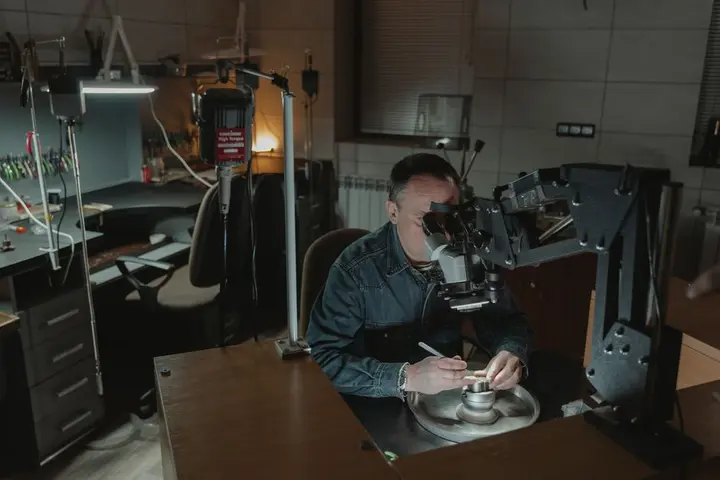
Seek advice if a stone moves, a setting catches on fabric, or a clasp no longer closes securely. Cleaning will not fix a structural problem, and continued wear could lead to a lost component. Keep the item in a separate pouch while arranging an assessment from a qualified jewelry professional.
Choose Help With Care
Ask the seller or maker for care guidance before taking a delicate fashion piece to a general polishing service. Explain what you have already tried and describe any change in color, texture, or construction. That information can help them advise whether further cleaning is appropriate or whether the finish needs attention.
A professional may be able to inspect a loose setting or damaged clasp, but do not assume every jeweler can renew a gold-tone surface. Ask what work they recommend, whether it could affect the finish, and what the likely result will be. A clear explanation helps you decide whether repair makes sense for the item.
Do not mail or hand over jewelry without confirming the assessment process and how the item will be handled. Keep purchase details and any care instructions together, and take photographs before service. If repair is not practical, gentle storage and avoiding further cleaning can preserve the piece in its current condition.
Frequently asked questions
Can I use a jewelry polishing cloth on gold-tone jewelry?
Use a plain, soft cloth unless the polishing cloth’s instructions specifically say it is suitable for gold-tone finishes. Some polishing cloths contain compounds intended to remove tarnish from solid metals, and rubbing with them may be too abrasive for a decorative surface. If you are unsure, wipe gently with a clean microfiber cloth and stop if the color changes.
How often should I clean a gold-tone necklace?
There is no fixed schedule; clean it when you can see fingerprints or light residue. A gentle wipe with a dry, soft cloth after wearing is usually enough to remove surface oils before storage. Avoid repeated polishing when the piece looks clean, since unnecessary friction can gradually affect its finish.
Is mild dish soap safe for every gold-tone piece?
Not necessarily. A piece may include stones, glued details, or other materials that react poorly to water or soap, and the finish itself may have specific care limits. Follow the product’s instructions first. If those are unavailable, avoid soaking it; use a dry cloth and ask the seller before trying a damp cleaning method.
Can a faded gold-tone finish be restored at home?
Household cleaning cannot replace a finish that has worn away, and trying to polish the area may make the fading more noticeable. Stop cleaning and contact the seller or maker to ask whether they offer advice or repair options. A jewelry professional can assess the piece, but ask whether any proposed work is suitable for its materials.
Keep Care Gentle And Consistent
Gold-tone jewelry is best cared for with light, consistent handling: wipe it with a soft cloth, keep it away from sprays and harsh cleaners, and store it dry and separate from other pieces. Skip soaking, abrasive remedies, and forceful polishing. If the finish changes or a component feels loose, stop rather than treating the problem as ordinary dirt.
Your next step is to check the care instructions for the specific piece you own, then set up a dry storage spot and a clean cloth for routine wiping. If you cannot find reliable guidance, ask the seller before using water or any cleaning product. A cautious approach protects the finish better than experimenting with stronger methods.


