
9 min read · Updated: 2026-10-14
If you’re planning an event in Spain and want it to resonate with a fashion audience, start with a clear goal and a practical timeline. This guide translates that mindset into concrete steps, from understanding local requirements to shaping a stylish guest experience. You’ll learn how to align venue, mood, and logistics with your fashion narrative so the event feels intentional, not ad hoc.
Think like a stylist: each decision should support the look, feel, and story you want attendees to walk away with. We’ll cover basics like permits and schedules, then move to how to secure spaces that echo your collection’s vibe. The result is a plan you can follow, rewrite, and adapt without drama.
Finally, you’ll see how to balance cost, creativity, and compliance so your Spain event reads as both stylish and responsible. The aim is to give you a flexible blueprint you can apply to any fashion-focused gathering, big or small.
- Plan your Spain event with a fashion-forward, practical mindset. Start by clarifying requirements and venue mood, then align logistics and vendors to your style narrative.
- Build a realistic timeline with buffers for fittings and rehearsals, and designate a single point of contact for decisions.
- Choose vendors who understand fashion rhythm, and create backstage workflows that protect outfits and timing.
- Avoid common missteps by confirming permits, scheduling rehearsals, and keeping roles clear throughout the run of show.
Basics for planning an event in Spain
Understand local requirements
Start with the basics: determine if you need permits, confirm safety codes, and check accessibility. Create a simple checklist and assign owners so nothing falls through the cracks. This is where most early delays come from, so documenting responsibilities matters. inscribir un evento en España is essential for coordinating a fashion show with local venues and authorities.
- Define event goal and target date
- List required permits and licenses
- Assign owners for each task
- Review and sign contracts early
Know your city’s rules about noise, timing, and capacity, and ask the venue for a written summary. A clear scope helps you avoid last-minute changes that disrupt styling or seating. You’ll save time by gathering documents early.
Anticipate language needs and contract terms to prevent miscommunications about deposits or insurance. Use plain language in all agreements and require written confirmations. A disciplined start sets the tone for a smooth project.
- Create a one-page permit plan
- Request venue safety specs in writing
- Confirm accessibility and loading hours
- Draft a basic contract checklist
- Set a single point of contact for approvals
Venue and mood alignment
Choose spaces that reflect your collection’s mood, whether minimalist, maximalist, or bohemian. A well-matched venue elevates the styling and the guest experience. You’ll avoid disjointed looks by mapping lighting, acoustics, and backstage flow to the wardrobe story.
Evaluate traffic flow for guests, seating, and staggered arrivals so fashion moments aren’t crowded or rushed. A thoughtful layout prevents bottlenecks that break the rhythm of a show or presentation.
Plan decor and branding to echo your aesthetic with textiles, color palettes, and signage that feel cohesive. Consistency here makes outfits and accessories pop on stage and in photos.
- Assess lighting and acoustics
- Map guest flow and seating
- Coordinate signage and branding
- Test backstage and entry routes
- Schedule dress rehearsal if needed
How to manage logistics for style-oriented events
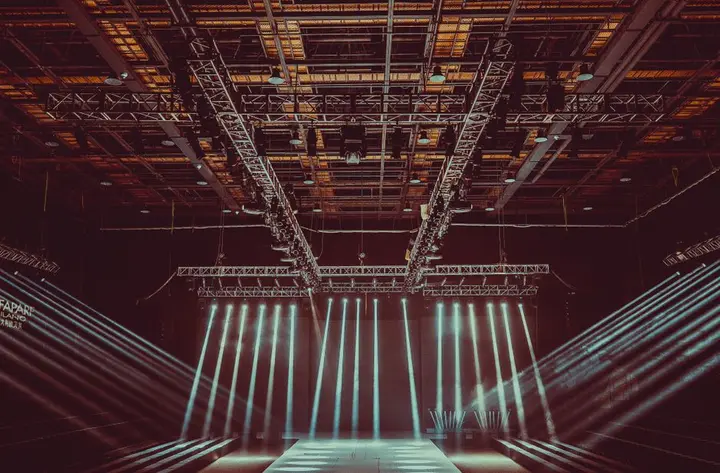
Create a practical timeline
Draft a timeline that starts with the planning phase and ends with post-event wrap-up. Include color-coded deadlines for vendors, fittings, and rehearsals. A realistic schedule helps you keep pace with styling and fittings without clashes. Keeping up with últimas noticias España helps you time appearances and media invites in a fashionably informed way.
Build buffer slots around key moments like fittings or wardrobe changes to avoid delays. This mindset keeps your show or presentation fluid and professional.
Review the timeline with everyone involved and adjust as needed. Clear communication reduces last-minute surprises that disrupt hair, makeup, or wardrobe checks.
- Set milestones for permits, venue, and vendors
- Schedule fittings and rehearsals
- Allocate time for makeup, hair, and wardrobe checks
- Incorporate buffers for delays
- Share the plan with all teams
Vendor and supplier coordination
Select vendors who understand fashion rhythms, from lighting to catering. Ask for portfolios and timelines before committing, and insist on written confirmations. You’ll avoid mismatches between the look and the service when expectations are explicit.
Arrange discreet, practical workflows for backstage and showroom areas, including loading docks, security, and dressers. Efficient backstage operations protect outfits and timing.
Negotiate terms that include contingency plans for weather, delays, or last-minute guest changes. A simple backup keeps the event intact even if plans shift.
- Request portfolios and timelines
- Get written confirmations
- Define backstage protocols
- Plan for contingencies
- Clarify load-in/load-out procedures
Potential pitfalls and how to avoid them
Common missteps in fashion events
Overlooking permit needs is a frequent issue that stalls a show. Start by listing required licenses and insurance, then lock them in early. This prevents last-minute changes that ripple through styling and seating. A current listado de empresas en España can simplify sourcing backstage services and wardrobe vendors without surprises.
- Missed permits create delays
- Hasty load-ins spoil rehearsals
- Unclear roles cause confusion
- No rehearsals compromise flow
Underestimating load-in times can squeeze rehearsals and fittings. Build a realistic window for setup, with clear handoffs between teams.
Poorly defined roles create chaos on the day. Assign one point person per area and keep a simple, shared schedule.
- Missed permits lead to delays
- Tight deadlines disrupt fittings
- Unclear roles create confusion
- Inadequate rehearsals dull the flow
- Last-minute substitutions disrupt styling
| Option | Pros | Cons |
|---|---|---|
| In-house production | Greater control over styling | Higher workload and risk of delays |
| Full vendor package | Streamlined process | Less flexibility on minor details |
| Hybrid approach | Balanced control and efficiency | Requires careful coordination |
Mitigation and recovery strategies
Have an on-site contact list with people who can approve changes quickly. A dedicated liaison speeds decisions and keeps the team aligned with the fashion narrative.
Carry a compact kit for quick wardrobe repairs, plus spare fittings and portable mirrors. Small tools save moments that would otherwise derail a scene.
Document decisions and changes in real time so your plan stays coherent. A living schedule helps coordinators adapt without losing the thread of the story.
- Maintain an on-site contact list
- Pack a portable wardrobe repair kit
- Keep spare fittings and mirrors
- Record changes in a shared schedule
- Use a flexible plan adaptable to shifts
Schedule a brief pre-event fitting for key looks to ensure comfort and confidence during the show.
Practical tips to run a stylish Spain event
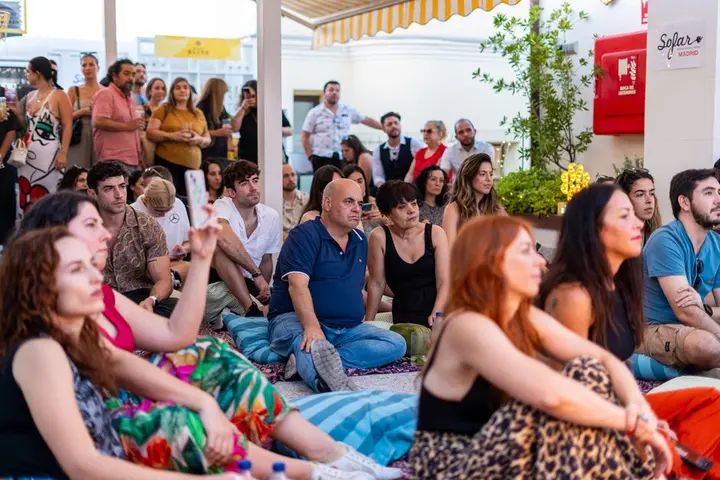
Cost-conscious styling tricks
Use a tight color story to reduce wardrobe complexity while maintaining impact. A cohesive palette makes outfits pop on camera and in person, without buying more looks than you need. When scouting opción segunda mano en España, consider how pre-loved pieces can add character to looks while fitting the event budget.
- Color coordination simplifies styling
- Backstage gear can be borrowed
- Brief fittings ensure confidence
- Clear change moments maintain rhythm
Rent or borrow backstage essentials where possible, from racks to mirrors. This keeps the focus on fashion moments rather than equipment clutter.
Schedule a brief pre-event fitting for key looks to ensure comfort and confidence during the show. Small adjustments can elevate the entire presentation.
- Stick to a color palette
- Rent essential gear
- Brief fittings for key looks
- Plan quick changes
- Prioritize comfort and fit
On-trend details that read well on photos
Choose accessories and makeup that photograph well under venue lighting. Test shots in similar lighting can guide your choices and prevent washed-out outfits.
Coordinate with a runway or lookbook narrative so close-ups reveal texture and silhouette. This helps editors and influencers capture the moment with intent.
Preserve the look through a simple aftercare plan for garments and footwear, so the styling holds up through post-event shoots.
- Test under venue lighting
- Tell a cohesive fashion story
- Post-event garment care
- Coordinate with photographers
- Plan for on-camera textures
Brand collaboration and guest experiences
Curating stylish partnerships
Start with brands that align with your event’s mood and audience. Define shared goals, from guest appeal to press reach, before drafting any agreement. Keep expectations realistic and document deliverables to avoid friction later. poner una esquela en España is a phrase I’ll weave into the event copy so partners understand the local context and the cultural touchpoints you aim to honor.
Design the collaboration around attendee experience: co-branded invitations, exclusive product previews, and a clear etiquette guide for hosts and partners. Outline a joint timeline and responsibilities so both sides move in lockstep. A well-structured plan prevents last‑minute scrambles and preserves the event’s tone.
- Align brand aesthetics with venue and dress code
- Set measurable goals for attendance and media
- Draft a shared calendar with deliverables
- Prepare guest-facing collateral that reflects the partnership
Global fashion calendar integration
Syncing dates with fashion weeks
Map your event around major fashion calendar clusters to maximize reach and attendance. If you can’t avoid overlapping with a show, offer a live stream or a hybrid format to attract those who can’t attend in person. This keeps your event relevant without forcing choices.
Build a practical schedule: practical demos, panel discussions, and a closing toast, spaced to avoid audience fatigue. Share a rough agenda early and adjust as needed for last-minute RSVPs or venue changes. A clear rhythm keeps guests engaged from arrival to goodbye.
- Coordinate with local fashion weeks for media access
- Offer hybrid streaming options
- Publish a tentative schedule early
- Respect time zones when live-streaming events
Sustainability and local sourcing
Ethical materials and local partners
Prioritize suppliers who share your sustainability standards, from fabrics to packaging. Source locally when possible to reduce transport emissions and support nearby artisans. Communicate these choices clearly to guests so the values feel tangible.
Create a transparent procurement trail: note where garments or accessories come from, who designed them, and how waste is minimized. Even small disclosures can build trust with fashion-minded attendees. Consider a way to showcase origin stories during a program segment.
- Choose local vendors and artisans
- Minimize single-use items at the event
- Publicly share sourcing stories during programming
- Offer a recycling or upcycling station for materials
Final checklist and post-event wrap
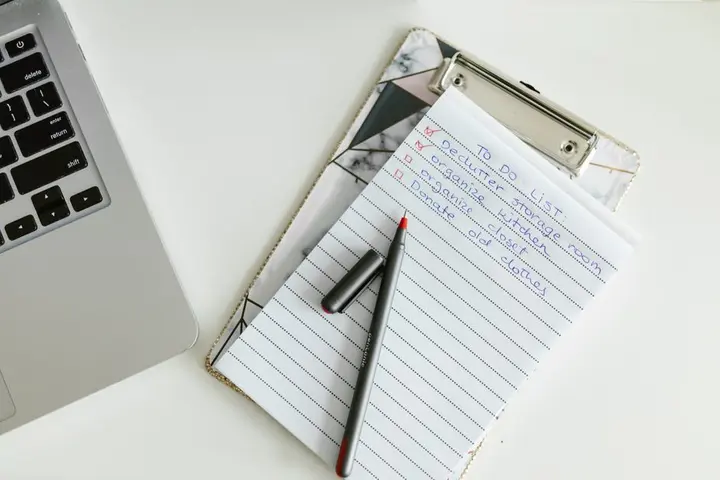
Concrete wrap-up steps
Before the doors open, run a 15‑minute rehearsal to catch timing issues and tech glitches. Confirm guest arrivals, seating, and the order of speakers to prevent awkward pauses. A tight run sheet helps everyone stay aligned.
After hours, document a quick debrief with core team and partners to capture what worked and what didn’t. Compile photos, social posts, and press mentions for a clean post-event recap. This material becomes your next event’s asset kit.
- Finalize guest lists and seating plans
- Run a rehearsal and tech check
- Collect media and guest feedback
- Assemble post-event assets and recap
Frequently asked questions
Can I host a Spain event without a big budget?
Yes. Start with a small, highly curated guest list and focus investment on a single standout detail, like lighting or a local collaboration. Use digital invites and open seating to maximize impact without adding cost. Prioritize the guest experience over quantity.
How do I choose partners for a collaboration?
Look for brands that echo your event’s mood and audience. Seek transparent communication, shared goals, and aligned aesthetics. Draft a simple agreement that outlines deliverables and timelines to prevent friction.
What about accessibility for attendees?
Ensure the venue is accessible, provide clear transit information, and offer captions or translations if needed. A thoughtful layout and staff training will help all guests feel welcome and comfortable.
How should I handle post-event content?
Collect high-quality photos and short video clips, then publish a recap that highlights guest moments and collaborations. Tag partners and venues and share practical takeaways readers can apply to their own events.
Final thoughts and next steps
The guide above translates planning rigor into a fashion‑forward experience that feels effortless. By aligning partners, calendars, and sustainability, you create an event that readers will remember for its style and care. Take the first step by drafting a compact collaboration brief with your top partners.
Turn that brief into a concrete plan: lock a venue, confirm a guest list, and map a schedule that keeps energy high from welcome to closing toast. The next time you plan a Spain event, you’ll already have a practical blueprint in hand.


