
8 min read · Updated: 2026-10-13
If you want customers to find your jewelry shop online, listing your company on Google is essential. This guide explains the exact steps, what to expect, and how to optimize your listing for fashion-forward shoppers.
The goal is to make your brand easier to discover when people search for related jewelry, styling services, or Birmingham locations. You’ll learn practical checks and quick wins that fit a fashion site’s needs.
By following these steps, you’ll create a credible, easy-to-find presence that supports store visits, appointments, or online orders.
- List your company in Google to improve local visibility for fashion shoppers.
- Verify ownership to protect your listing and enable updates.
- Maintain accurate hours, location, and services with quality images.
- Use descriptive, natural fashion language to attract and engage customers.
Basics of Google listing
What listing means for brands
A Google listing is a business entry that appears in search results and on maps when someone looks for related products or services. For fashion brands, it helps nearby shoppers find your store, hours, and contact options. A clear listing builds trust and can drive foot traffic or online inquiries. list your company in Birmingham
- Using a nickname instead of the official business name
- Leaving hours blank or inconsistent
- Posting infrequent updates or poor-quality images
To set it up, you provide essential details like name, address, and category, then verify ownership. This verification confirms you are the legitimate owner and keeps information accurate across Google surfaces.
Always keep core details up to date, including holiday hours or seasonal services, so customers have the right expectation when they visit or call.
- Provide full business name and address
- Choose the right category (e.g., jewelry store)
- Add a phone number and website
- Upload photos that show products and store
- Encourage customers to leave reviews
Why it matters for style shoppers
Shoppers in fashion care about quick, trustworthy information. A well-structured listing can surface during local searches for jewelry, rings, or styling services, guiding buyers to your shop. It also appears in map results when customers nearby look for fashion options.
Consistency across online profiles reinforces credibility, so use the same name, address, and contact details everywhere. That reduces confusion and makes it easier for customers to reach you.
Good photos and a concise description help set expectations about your style, materials, and service level before a visit or purchase.
- Images should be clear and well lit
- Descriptions should reflect your fashion niche
- Include services like repairs or custom designs
- Respond to reviews to show engagement
- Keep opening hours accurate
Getting verified and claimed
Verification steps you can take
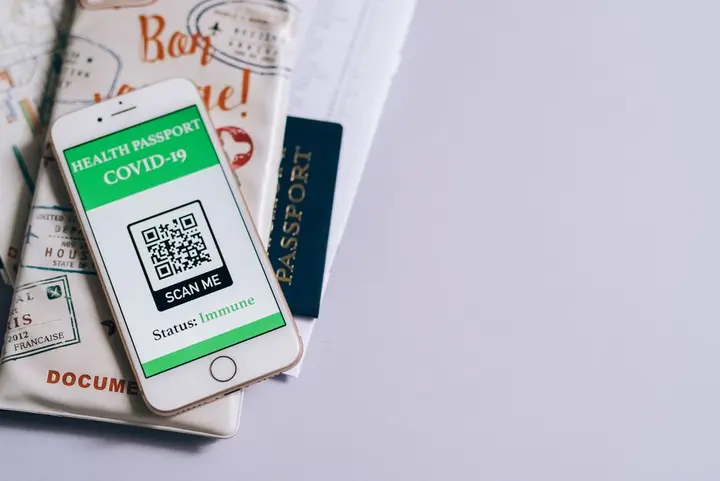
Verification proves you own the business and prevents impersonation. Start by searching for your business on Google and following the claim process. If your brand appears, request ownership changes or verification through the available options. A useful resource on this topic: Birmingham Daily website.
If the business doesn’t show up, you can create a new listing with accurate details. Google will guide you through verification via postcard, phone, or email, depending on your location.
Complete all required fields thoroughly to speed up the process and improve the chance of appearing in local results.
- Use the exact legal business name
- Provide a local phone number
- Attach factory or showroom photos to build trust
- Verify promptly through the recommended method
- Update every field after claiming
Maintaining accuracy over time
Regularly audit your listing to ensure hours, address, and services reflect current operations. Fashion businesses often adjust store hours for events, launches, or holidays, and your listing should mirror that.
Respond to reviews with a polite, helpful tone to demonstrate customer care. This signals activity and reliability to Google and potential customers.
Update photos seasonally to showcase new arrivals or styling concepts, keeping the listing fresh and relevant.
- Schedule quarterly checks
- Respond to customer questions
- Refresh imagery for campaigns
- Highlight special events or promos
- Synchronize listings with your site and social profiles
Choosing the right options
Local vs. broader presence
A local listing targets nearby shoppers and is essential for brick-and-mortar fashion brands. It helps people find you when they search for jewelry near a specific area or neighborhood. promote your event in Birmingham
A broader listing can support brand awareness even if your core location is fixed. It’s useful for shipping destinations or styling services beyond a single city.
Blend both approaches by focusing first on your core location, then expanding to related areas or popular nearby districts.
- Prioritize the physical store for foot traffic
- Add service areas if you offer delivery or remote styling
- Use categories that reflect your niche (e.g., fine jewelry)
- Link to your e-commerce for broader reach
| Option | Pros | Cons |
|---|---|---|
| Local storefront | Drives foot traffic and local trust | Requires accurate on-site details and regular updates |
| Online-only listing | Broad reach with less maintenance | Less impact on physical store discovery |
| Hybrid approach | Balanced visibility across channels | More management across surfaces |
Optimizing for fashion search
Beyond basic data, initialization of rich content helps. Add a compelling business description that communicates your style voice, materials, and customer experience.
Use keywords naturally in descriptions, not as a forced list. This helps your listing align with how shoppers think when they search for jewelry and fashion services.
Leverage posts or updates to announce new collections, events, or pop-ups, which keeps your audience engaged.
- Craft a stylish, concise description
- Incorporate natural fashion keywords
- Post updates about launches or events
- Use high-quality product imagery
- Encourage reviews from fashion customers
Using vague descriptions makes you hard to find and hard to trust.
Potential pitfalls
Common listing errors to avoid
Inaccurate hours or addresses mislead customers and waste trust. Always verify details after changes and ensure they match your storefront or website. A useful resource on this topic: place an advert in Birmingham.
- Always cross-check details against your store records.
- Respond to questions promptly to protect credibility.
- Refresh imagery to reflect current fashion lines
Using vague descriptions makes you hard to find and hard to trust. Be specific about services like custom design, repairs, or stylist consultations.
Neglecting reviews or questions signals disinterest and lowers credibility in fashion communities where style matters.
- Mistakenly listing a former address
- Inconsistent phone numbers across sites
- Ignoring customer questions on the listing
- Low-quality images that misrepresent products
What to watch for during updates
Platform updates can change how information appears or which fields are required. Review prompts carefully and keep primary data stable while adding new content.
Avoid over-optimizing with keyword stuffing or aggressive promotional language, which can feel spammy to shoppers and search engines.
Plan updates around fashion seasons or events to keep content timely but not noisy.
- Avoid excessive keyword use
- Keep branding consistent
- Schedule updates around campaigns
- Test changes by searching for your listing yourself
Advanced listing tools
Enhanced profiles and features
A fashion brand can boost visibility by adding rich details to its Google presence. Upload high‑quality product photos, include seasonal campaigns, and keep hours, locations, and contact methods up to date. This makes it easier for shoppers to find key information at a glance. death notices in Birmingham
A complete profile signals reliability to browsers and helps you appear in local search results. Consistently formatted information reduces confusion for customers who compare stores or pop‑ups. Use short, clear descriptions that connect your brand voice with practical details.
A robust listing isn’t a one‑and‑done task; it requires quarterly refreshes around new lines and events. Schedule reminders to update inventory and promotions, so the listing reflects current fashion capsules. Track what visuals perform best and rotate them to keep interest high.
- Add seasonal showcases with product highlights
- Update hours for pop-up timelines
- Include store address and phone clearly
- Link to campaign landing pages
Listings for events and pop-ups
Promoting live events
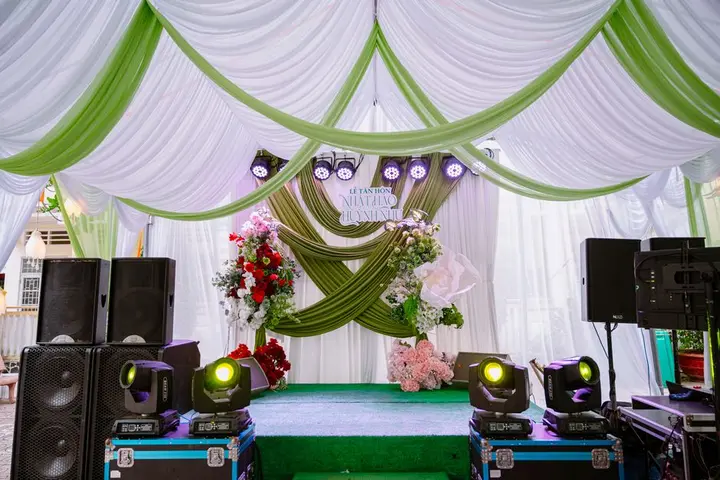
Pop-ups and runway showings benefit from a listing that emphasizes date, venue, and access details. Describe what makes the event unique, such as limited editions or collaboration drops. Include clear call‑to‑action for RSVP or location directions.
Use event‑specific photos that convey the mood—materials, colors, and styling cues help potential attendees picture the experience. Update the listing as plans evolve so information stays accurate. This reduces no‑shows and frustrated visitors.
Coordinate with social posts and local listings to reinforce the event message, ensuring your audience knows where to find you. Track attendance prompts and adjust messaging based on what resonates with your shoppers.
- Specify start and end times
- Provide map or venue instructions
- Offer promo codes or reservations
- List parking and transit notes
International and multilingual readers
Catering to diverse shoppers
Fashion brands increasingly reach multilingual audiences. Provide product descriptions, policies, and store details in multiple languages where possible. This broadens your appeal and reduces misinterpretation about sizing or materials.
In practice, maintain a primary language for core listings while offering translations for key pages. Slower, accurate translations beat automatic ones that distort nuance. This helps you connect with shoppers who value clarity over shortcuts.
Consider regional variants of your listings to reflect local fashion cycles and events. Align hours, contact methods, and delivery options with each market to avoid confusion and build trust.
- Offer two or three language options
- Clarify sizing and material terms
- Localize promotions and events
- Respect regional holidays and shopping patterns
Measuring impact and next steps
Track results and refine
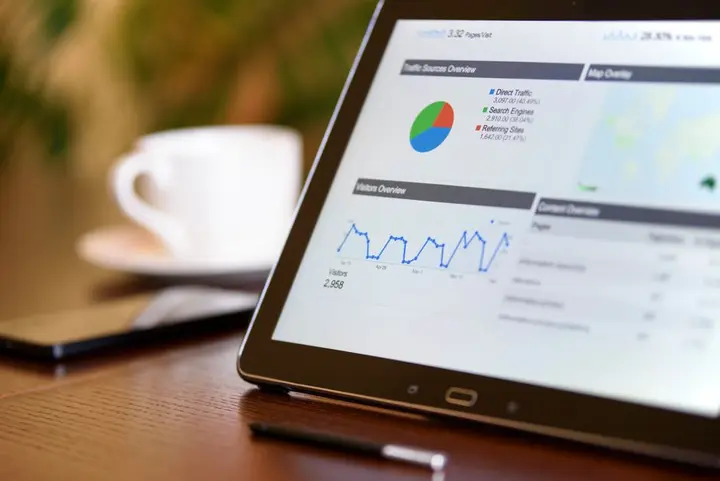
Regularly review how your listing drives traffic to your site or store visits. Look for patterns in which photos or descriptions convert browsers into buyers. Use this insight to refine wording and visuals.
Set concrete goals for each update, such as aligning a new collection launch with updated product shots or adjusting hours to match peak shopping times. Small shifts can lead to clearer communication and higher engagement.
Build a simple cadence: plan, publish, review, adjust. Each cycle should sharpen your listings and align with evolving fashion calendars, store events, and customer feedback.
- Monitor impressions and clicks
- A/B test image sets
- Update inventory and pricing terms
- Review customer inquiries for gaps
Frequently asked questions
What is the first step to list a business on Google?
Begin by claiming your listing through Google Business Profile, then verify ownership. Once verified, fill out basic information, add photography, and publish updates. This creates a foundation you can refine over time.
Can I manage more than one location from a single account?
Yes. You can add multiple locations to a single dashboard, but each listing should have distinct hours, address, and events. This avoids confusion for shoppers who search near different pop‑ups or stores.
How should I handle seasonal updates?
Create a seasonal update yourself — swap in new photos, adjust hours for pop‑ups, and announce any limited releases. Keep dates and venues accurate to prevent misdirection.
Do translations impact search results?
Translations mainly affect user experience. Clear, accurate wording helps readers understand products, policies, and events, which can improve engagement and reduce returns.
Conclusion
A clean, accurate Google presence acts like a boutique window online, inviting shoppers to explore your fashion story. Prioritize updated imagery, precise location details, and timely event notes to stay visible where your audience already looks. The result is easier discovery and steadier foot traffic to your pop‑ups and stores.
By making routine updates part of your fashion calendar, you turn online visibility into real engagement. Use a simple rhythm: plan updates around new collections, publish with fresh visuals, and review what resonates. The next step is mapping your upcoming launch to a listing update and measuring its impact over time.


