
8 min read · Updated: 2026-10-13
What you need is a clear way to connect fashion needs with local Birkenhead listings. This guide shows how to use a business directory to source fabrics, accessories, and small runs without chasing noise. You’ll learn practical steps, what to look for, and where to verify reliability before committing to a purchase or collaboration.
Birkenhead listings aren’t just clicks; they’re walkable doors to suppliers and pop-ups. We’ll map how to spot trustworthy sellers, understand what they offer, and integrate those finds into a wardrobe plan that feels both stylish and efficient. Expect concrete checks, real-world examples, and for you to finish with a sharper sourcing instinct.
From here, you’ll know how to validate a listing, compare options, and avoid common missteps. Treat this as a toolkit for fashion-minded readers who want local insight without losing time. The aim is to turn scattered information into a focused, actionable plan for your next outfit project or small-batch order.
- You’ll learn how to locate Birkenhead listings that support fashion projects, compare options, and avoid common mistakes.
- The guide covers basics, planning, options, pitfalls, and practical tips for fast, reliable results.
- Use the linked phrases to connect readers with relevant local resources while maintaining fashion relevance.
Basics of finding local listings
What to look for in a listing
Start with the essentials: contact details, physical address, and current inventory. A trustworthy listing often shows recent updates and a clear product range, not vague promises. Look for photos that match the described items and check for consistency across the page. Birkenhead business listings provide direct insight into local suppliers.
- Scan the listing date and update history to gauge reliability.
- Cross-check product images with descriptions for consistency.
- Prepare a short inquiry to confirm stock and delivery options.
This step filters out noise and saves time before you contact sellers. If you’re shopping for fabrics, note the material, weight, and care instructions. For accessories, verify compatibility with your wardrobe needs and occasions.
To keep your search efficient, bookmark a few reliable listings and set a simple alert for new items or restocks. A quick note field can help you remember why a listing mattered for a specific project.
4 concise steps ensure you verify essential details, confirm stock, compare options, and save contact notes.
- Verify contact details
- Check recent updates
- Assess photo vs item
- Note material or dimensions
- Confirm return policy
Evaluating reliability and value
Reliability comes from clear policies, transparent pricing, and responsive responses. Compare at least two listings to gauge value rather than chasing the lowest price. A dependable seller will answer questions promptly and provide practical details.
Value shows in practical details: fabric swatches, care tips, and realistic timelines for delivery or pickup. If you rely on small-batch fashion, ask about minimum orders, customization, and turnaround times.
Keep expectations realistic: most listings won’t mirror luxury standards, but steadiness in communication and accurate product descriptions are good signs. Balance cost with convenience and compatibility with your existing wardrobe.
- Clear policies and pricing
- Prompt, helpful replies
- Accurate descriptions and photos
- reasonable delivery or pickup terms
- Good balance of cost and convenience
Planning how to source from Birkenhead

Where to start your search
Begin with a core requirement for your project—fabric, trim, or finished pieces—and map it to listings that mention those items. Prioritize sellers within a short travel distance to reduce friction for pickups or fittings. Use filters like material type, size, and stock status to narrow results quickly. birkenheadmail.co.uk can connect you with verified vendors and quick responses.
Next, compare two or three options for each item category to understand price ranges and lead times. Note any extra costs for shipping, customization, or dye lots. This step keeps your plan grounded and executable.
Finally, draft a small contact template you can reuse: introduce your project, specify quantities, and ask for a sample or swatch if possible. A ready-to-send message speeds up initial conversations and reduces back-and-forth.
- Define your project first
- Limit to nearby options
- Compare multiple listings
- Prepare a reusable inquiry template
Exploring options for fashion use
Choosing between new and secondhand
New items offer consistency in sizing and finish, which matters for cohesive outfits. Secondhand finds can add character and reduce waste, especially for vintage-inspired accessories or unique fabrics. Weigh the need for predictability against the charm of one-off pieces. Birkenhead events calendar helps you plan pop-ups and showroom visits.
When you test a secondhand option, inspect seams, hardware, and colorfastness. Bring a small gauge for fabric checks and ask about wear history. For new pieces, request care instructions and warranty details when available.
Develop a short evaluation grid: fit, finish, and feasibility for your planned outfits. Use that grid to decide where a single item fits into your wardrobe strategy.
- New items for consistency
- Secondhand for character
- Inspect quality before buying
- Ask for care and warranty information
- Create a simple evaluation grid
| Option | Pros | Cons |
|---|---|---|
| New items | Consistent sizing and finish | Higher cost and wastefulness |
| Secondhand | Character and value | Potential wear and unknown history |
| Custom orders | Tailored fit | Longer lead times and higher coordination |
Clarify who bears transport costs and whether you can inspect items before handoff.
Pitfalls to avoid in local sourcing
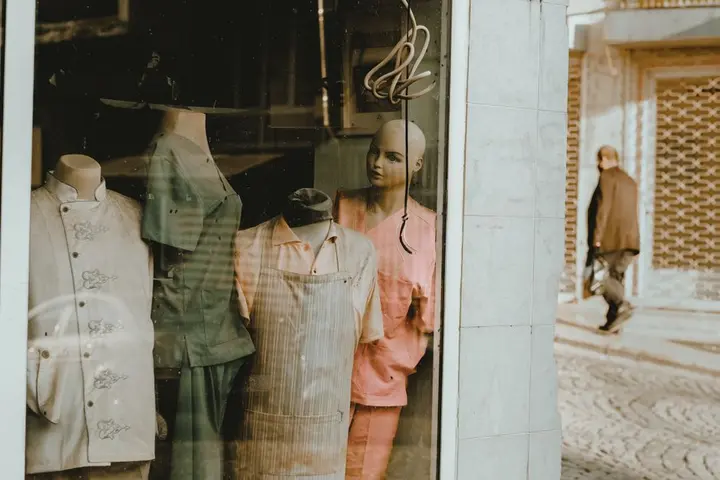
Common missteps to see around
Rushing to buy on impulse can lead to mismatched fabrics or sizes. Always confirm measurements, especially for tailored pieces or trims. Beware listings that lack detailed photos or clear stock status. used items for sale in Birkenhead often offer unique textures and limited runs.
Another trap is assuming low price equals better value. Consider the total cost of ownership: care, alterations, and returns. Look for sellers who offer basic customization options with realistic timelines.
Overlooking delivery or pickup logistics creates friction later. Clarify who bears transport costs and whether you can inspect items before handoff. A simple, written agreement helps prevent disputes.
- Impulse buying harms fit
- Low price ≠ better value
- Check logistics and inspection
- Seek clear customization terms
- Have a written agreement
Advanced sourcing options
Specialized suppliers nearby
Begin with small, independent studios and local showrooms to see items firsthand. This approach helps you gauge fabric quality, finish, and construction before purchasing. Schedule brief visits to calendars that align with sample sales or new-season arrivals. publish a death notice in Birkenhead
- Small local sources reveal authentic Birkenhead pockets of style
- In-person visits build trust and reduce returns
- Combine multiple sources to diversify options
Look for multi-brand showrooms that rotate stock; they often carry both vintage and contemporary pieces. Ask about minimum orders and return policies to avoid surprises. Bring measurements and a style brief to speed up decisions.
Consider collaborating with a regional stylist or fashion-forward boutique owner who understands Birkenhead’s supply network. A quick chat can reveal hidden sources, such as up-and-coming makers or off-season stock.
- Visit during market days for fresh inventory
- Ask about sample sizes and colorways
- Request a fabric swatch when possible
Global vs local sourcing

Balancing reach and fit
Global access expands your palette beyond Birkenhead, but fit and sizing can vary. Start with mid-market items that translate well across regions to minimize returns. Use size charts and model measurements as a reference.
Coordinate with a reliable courier and customs-friendly suppliers to avoid delays. Clear labeling and packaging habits reduce processing friction at borders. Test one or two shipments before scaling up, so you understand timelines and duties.
If you’re building a capsule label, blend local fabrics with international trims to achieve a unique balance. This strategy helps you maintain a distinct brand voice while expanding production capacity.
- Cross-check size standards early
- Pilot with small orders
- Keep communication transparent with suppliers
Ethical considerations in Birkenhead sourcing
Fair practices and transparency
Ethical sourcing starts with asking for responsible production details from suppliers. Seek partners who can share general working conditions and material origins without disclosing sensitive data. Prioritize vendors with clear policies on waste and labor rights.
Verify practices through public certifications, but also trust on-the-ground conversations with makers and shop staff. Local conversations can reveal timelines, payment terms, and the care taken with each piece.
Build a short supply chain map for your most frequently sourced items. This helps you trace back fabric and trims to their origin, strengthening your brand narrative. When possible, choose suppliers who encourage longer-term relationships rather than one-off sales.
- Ask for general production ethics
- Look for transparent sourcing stories
- Support vendors with fair terms
Turning finds into outfits and events

Styling tips for Birkenhead finds
Translate discoveries into cohesive outfits by building a small wardrobe around color stories and silhouettes you notice locally. Start with three core items you can mix-and-match for many occasions. This keeps your edits focused and wearable.
- ☐ Local finds can anchor a versatile wardrobe
- ☐ Event-ready styling elevates simple pieces
- ☐ Document looks to boost engagement
Plan capsule looks around key events, such as local markets or pop-up shows, and tailor outfits to the venue and audience. Accessorize with embroidery, textures, or metallic accents to elevate simple pieces.
Coordinate with your team or collaborators to shoot look books that feature Birkenhead sources in real settings. This builds credibility and helps customers see the items in motion.
- Create a capsule of Birkenhead-inspired outfits
- Time styling to event contexts
- Document looks for social proof
Frequently asked questions
Can I source from Birkenhead on a tight budget?
Yes. Start with a few key pieces that align with your wardrobe’s color story and invest in timeless silhouettes. Prioritize fit and finish, then expand gradually as you see how items wear over time.
How do I verify a supplier when I can’t visit in person?
Ask for clear product specifications, photos from multiple angles, and a basic production overview. Request references from other buyers and request samples before committing to larger orders.
What should I avoid when sourcing locally for a fashion feature?
Avoid vague claims about sustainability, unrealistically fast lead times, or suppliers who refuse to share general policy information. Don’t push for exclusive terms that undermine collaboration.
How often should I refresh Birkenhead finds in a feature?
Aim for a quarterly refresh aligned with seasonal editorial windows. Use reader feedback and sales data to guide which items to highlight again and which to rotate out.
Conclusion
Birkenhead sourcing can sharpen a fashion narrative by grounding it in real craft and texture. Use careful visits, small pilots, and documented results to shape a compelling product mix that readers trust.
Treat Birkenhead sources as a starting point for broader storytelling; pair local finds with international perspectives to keep features dynamic and relatable. Plan one new supplier check-in per quarter to stay fresh.


