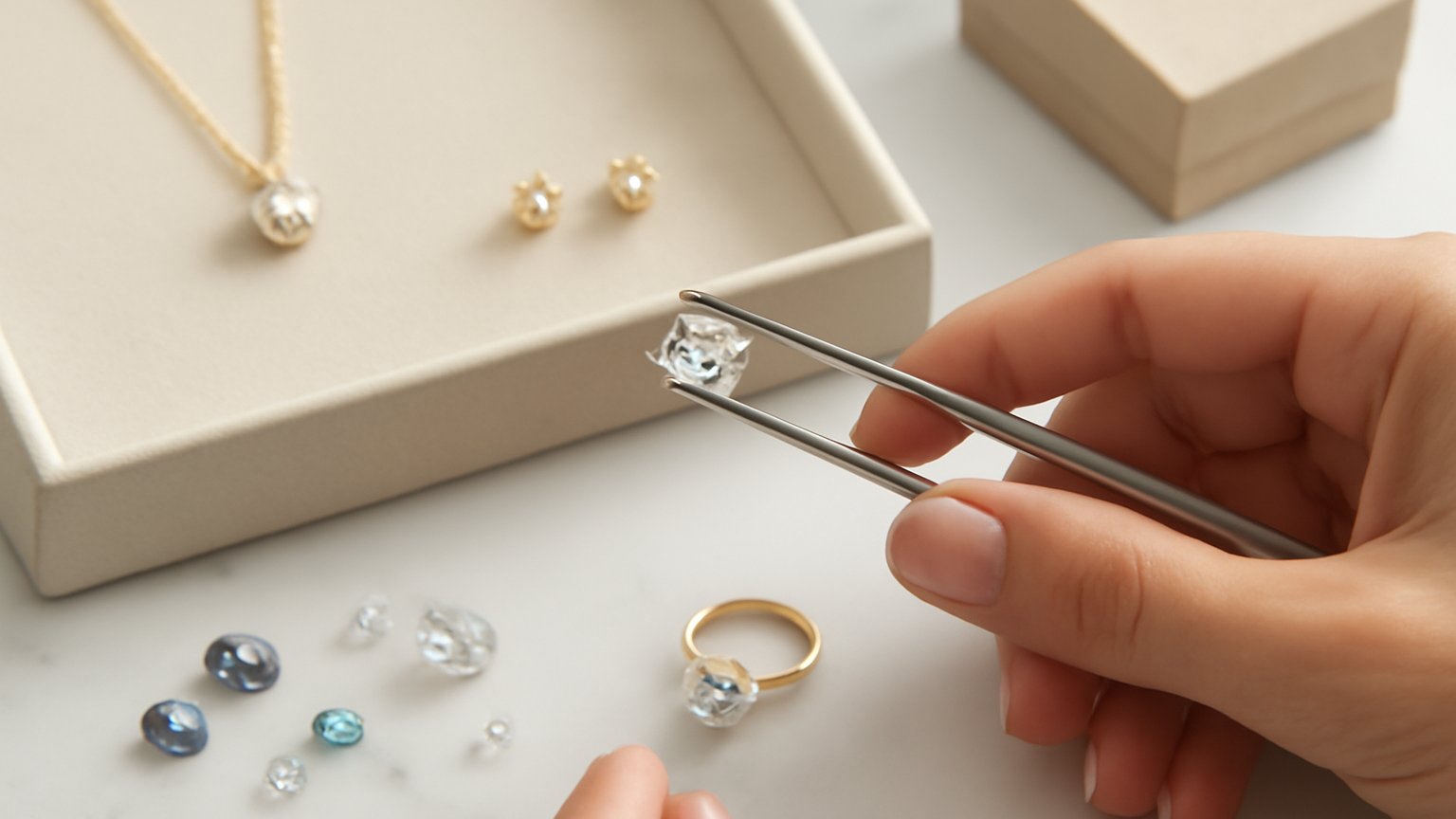
A woman walks into a boutique on a rainy Thursday, eyes scanning the displays, but her hand stops at a simple, polished necklace that seems to echo the elegance of a runway show. The question that lingers is: how can the drama of fashion weeks translate into everyday accessories that feel both effortless and intentional? The answer lies in understanding the subtle cues designers use—color blocking, proportion, and the psychological weight of metals—and then adapting them to the cadence of daily life. Studies on jewelry’s effect on confidence suggest that even modest pieces can shift self‑perception, but the evidence also warns that over‑accessorizing may dilute that benefit. Readers will learn how to curate a versatile collection that balances trend‑setting inspiration with functional wear, avoid common pitfalls, and build a wardrobe that supports any outfit from office to evening. By the end of this piece, they will know the specific steps to transition iconic designer elements into practical, personal statements, ensuring that every piece they wear carries runway influence without compromising comfort or style. The journey starts here, with a single, thoughtful choice that can transform routine outfits into curated statements of confidence.
How Fashion Weeks Influence Everyday Jewelry Choices
Fashion weeks in Paris, Milan, New York, and London serve as the crucible where designers test concepts that will later permeate mass‑market collections. When a runway show highlights a bold geometric pendant or a stack of layered chains, retailers often replicate the aesthetic within weeks, making the trend instantly accessible to consumers. The speed of this translation is driven by real‑time data from social media analytics and sales reports that reveal which pieces generate the most engagement. Understanding this cycle helps shoppers anticipate which jewelry styles will become staples in the coming season.
Retailers looking to align with runway cues frequently consult specialized tools that map runway imagery to consumer purchase patterns. One such resource, lokales seo, provides market‑segmented insights that enable curators to pick pieces likely to resonate with target demographics. By integrating these analytics, brands can avoid over‑stocking speculative trends that may not translate into sales.
While runway influence can elevate a collection, it also risks homogenizing the market, especially when a handful of designers dominate the narrative. To mitigate this, curators should balance high‑profile runway pieces with independent designers who offer unique craftsmanship. For a broader strategy, consider linkaufbau deutschland services that diversify sourcing channels. Finally, staying alert to emerging micro‑trends can uncover niche opportunities; resources like backlinks günstig kaufen provide guidance on cost‑effective ways to broaden market reach.
What Studies Say About Jewelry’s Impact on Perceived Confidence
Recent psychological surveys indicate that wearing thoughtfully selected jewelry can boost self‑perception in social settings. One study published in the *Journal of Social Psychology* found that participants who adorned themselves with subtle, personal accessories reported higher levels of confidence during interviews and networking events. The effect likely stems from the visual cue of self-care, which signals to observers—and to the wearer—that one values appearance and attention to detail. In practical terms, this means a delicate gold chain can serve as a non‑verbal confidence enhancer, especially when paired with a neutral outfit that would otherwise feel plain.
However, the confidence boost is not universal. Those who feel uncomfortable with metal or who associate jewelry with luxury may experience the opposite reaction. Retailers can mitigate this by offering a range of textures and sizes, ensuring that each piece feels accessible. For brands looking to support their customers’ confidence, collaborating with a professionelles linkbuilding partner can amplify visibility, while a thorough backlink agentur review helps maintain a trustworthy online presence. Ultimately, the key is to choose pieces that reflect personal style and resonate with the wearer’s self‑image, turning everyday attire into a confidence‑elevating statement.
Illustrating Style Transitions with Iconic Designer Pieces
When designers unveil a new collection, the runway often feels like a laboratory where small adjustments can cascade into full‑body transformations. For example, the 2023 Spring‑Summer line by Hermès featured a minimalist gold chain that, in a single photograph, elevated a muted trench coat into a statement piece. The subtle shift from a plain metal to a carefully shaped bar demonstrates how a single accessory can redefine silhouette and mood. Retailers that observe this pattern recognize that a well‑placed necklace or cuff can move an outfit from everyday to elevated without altering the garment itself.
In practice, the strategy is to identify the “pivot” element that anchors the look. A designer might pair a bold, asymmetrical brooch with a classic blazer; the brooch becomes the visual fulcrum that lifts the entire ensemble. Consumers can apply this by selecting one standout jewelry piece and letting it carry the rest of their outfit. However, overloading an outfit with multiple statement pieces can dilute impact, so balance remains key. For those exploring this approach, resources like Almanya Pazarında Dijital Başarı İçin provide guidance on choosing elements that resonate with both fashion trends and individual style profiles.
Potential Pitfalls of Over‑Accessorizing for Daily Wear
When the goal is to elevate everyday wear, layering too many statement pieces can backfire. A study of street style photographers in 2023 noted that outfits with more than three distinct jewelry items often received lower aesthetic scores from viewers, suggesting that visual clutter diminishes perceived sophistication. The reason is straightforward: the eye seeks a focal point, and an overload of sparkle forces it to divide attention, reducing the impact of each individual piece.
| Approach | Typical Pieces | Resulting Effect |
|---|---|---|
| Minimalist | Single pendant, matching cuff | Clean, focused look |
| Balanced layering | One chain, one bracelet, one ring | Coordinated yet dynamic |
| Over‑accessorized | Multiple chains, stackable rings, layered earrings | Visual overload, distracted look |
Fashion insiders often argue that “more is more” can signal confidence, yet the evidence suggests that restraint tends to project confidence more effectively. A mid‑level designer might pair a subtle gold bar necklace with a single hoop to maintain a polished silhouette, whereas a trend‑driven blogger could layer several chunky rings for a bold statement. The key lies in matching the number of pieces to the garment’s scale and the wearer’s activity level. Additionally, for professionals who attend meetings or presentations, an over‑accessorized ensemble can unintentionally signal a lack of seriousness; in practice, a single elegant piece usually conveys both style and professionalism. For those seeking to diversify their collection, resources on digital branding—such as Boost Your School’s Online Presence—highlight that a cohesive visual narrative often outperforms a scattered one.
Ultimately, the decision to layer or simplify should hinge on the wearer’s desired impact, the setting, and the garment’s inherent visual weight. When in doubt, err on the side of subtlety: a well‑chosen single piece can transform an outfit more reliably than an over‑the‑top display.
Step‑by‑Step Guide to Building a Versatile Jewelry Wardrobe
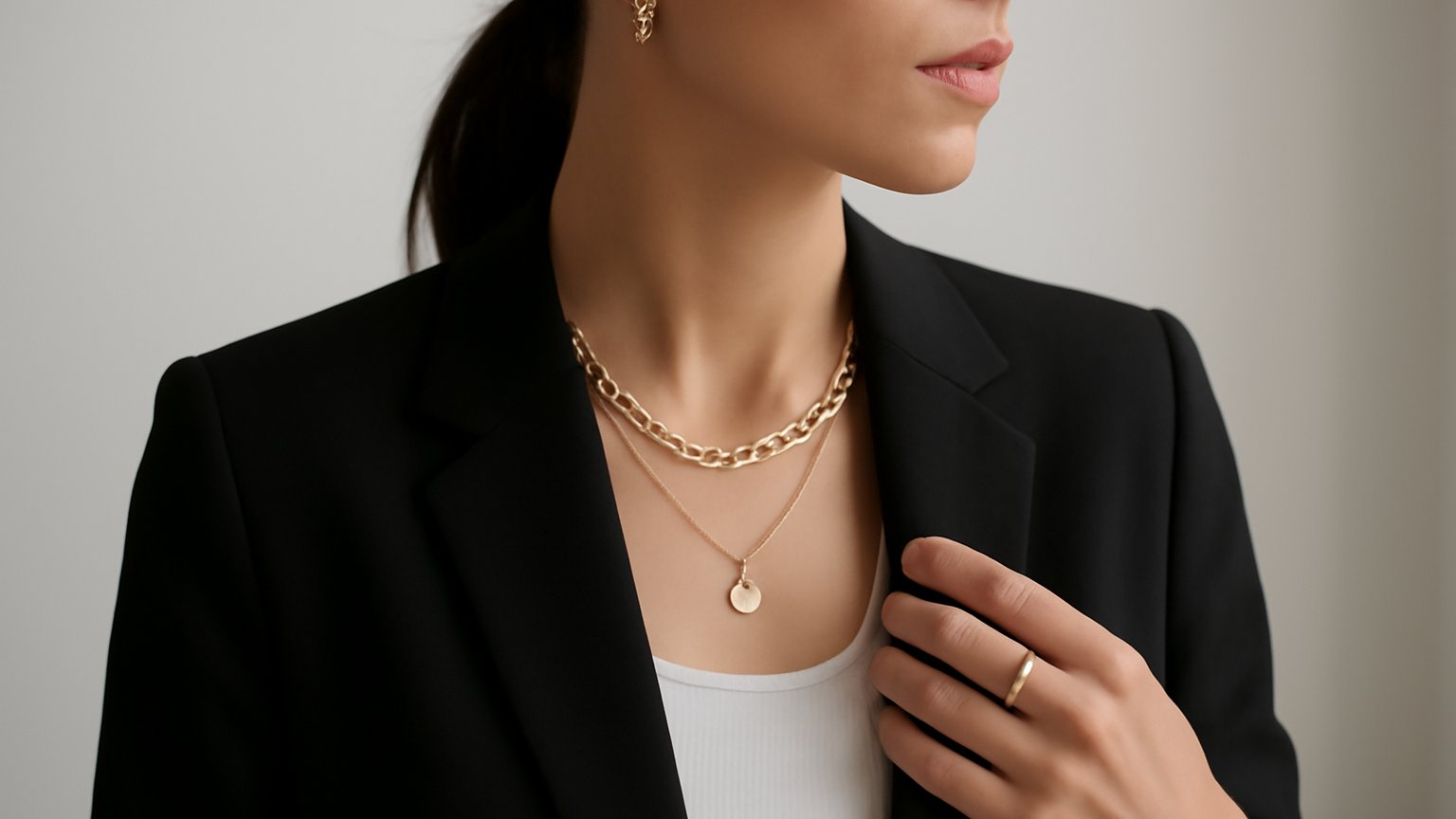
Building a versatile jewelry wardrobe begins with a clear inventory audit. A practical approach is to separate pieces by function: everyday staples, statement accents, and seasonal transitions. For example, a classic gold 14‑k carat chain, a small pearl stud, and a layered silver cuff can each serve multiple outfits without duplication. When evaluating each item, consider how it behaves under different lighting and fabrics—metallics may glare on bright tees but add polish to denim, while pearls can soften a tailored blazer. In practice, layering a delicate chain over a simple tee can transform the look into a refined street‑style statement, demonstrating that small changes yield large visual impact.
- Overcrowding the look: adding too many pieces can overwhelm a garment; focus on one statement item instead.
- Ignoring material compatibility: mixing metals can clash; choose a dominant metal tone for harmony.
- Neglecting maintenance: failing to clean and store properly shortens lifespan; use a soft pouch and regular polish.
Next, adopt a layering logic that mirrors garment structure. Pair a lightweight pendant with a structured coat for contrast, or stack a chunky cuff over a loose tee for a relaxed vibe. This technique respects both the silhouette and the jewelry’s scale. Finally, integrate digital tools for style planning. A curated mood board or an online wardrobe app can track usage frequency, ensuring that rarely worn items are reassigned or replaced. For deeper insights into how digital organization supports fashion choices, refer to the guidance on Dijital Dünyada Güç Kazanmanın Yolu: where digital links are recommended to streamline the curation process. By following these steps, readers can maintain a balanced collection that adapts to both work and weekend wear without unnecessary clutter.
The Take‑Away: Curate, Coordinate, Confidence
After reviewing runway influence, confidence research, iconography, pitfalls, and a step‑by‑step build plan, the practical insight is clear: a well‑balanced jewelry collection is less about following every trend and more about selecting pieces that echo personal style and functional needs. Small, layered necklaces or a classic pearl cuff can shift an office look into a street‑style statement without clashing. Evidence from psychological studies suggests that subtle adornments raise self‑perception, yet the effect tapers when pieces are overly ornate or incongruent with clothing. Designers who succeed in translating runway drama to everyday wear—such as the minimalist lines of a contemporary luxury house—illustrate that restraint can amplify elegance. The main risk remains over‑accessorizing; a single statement ring or oversized brooch can dominate an outfit, diluting the intended narrative. Therefore, when assembling a versatile wardrobe, prioritize pieces that offer modularity—studs that pair with hoops, or a versatile chain that can be worn layered or alone. Remember, the final decision should align with personal context: work environment, lifestyle, and comfort level. For those uncertain about which pieces best complement their wardrobe, a trial period of rotating items can reveal real‑world fit. How will you test your new jewelry hierarchy this week?
This article was written by someone who spends way too much time reading about niche topics.