
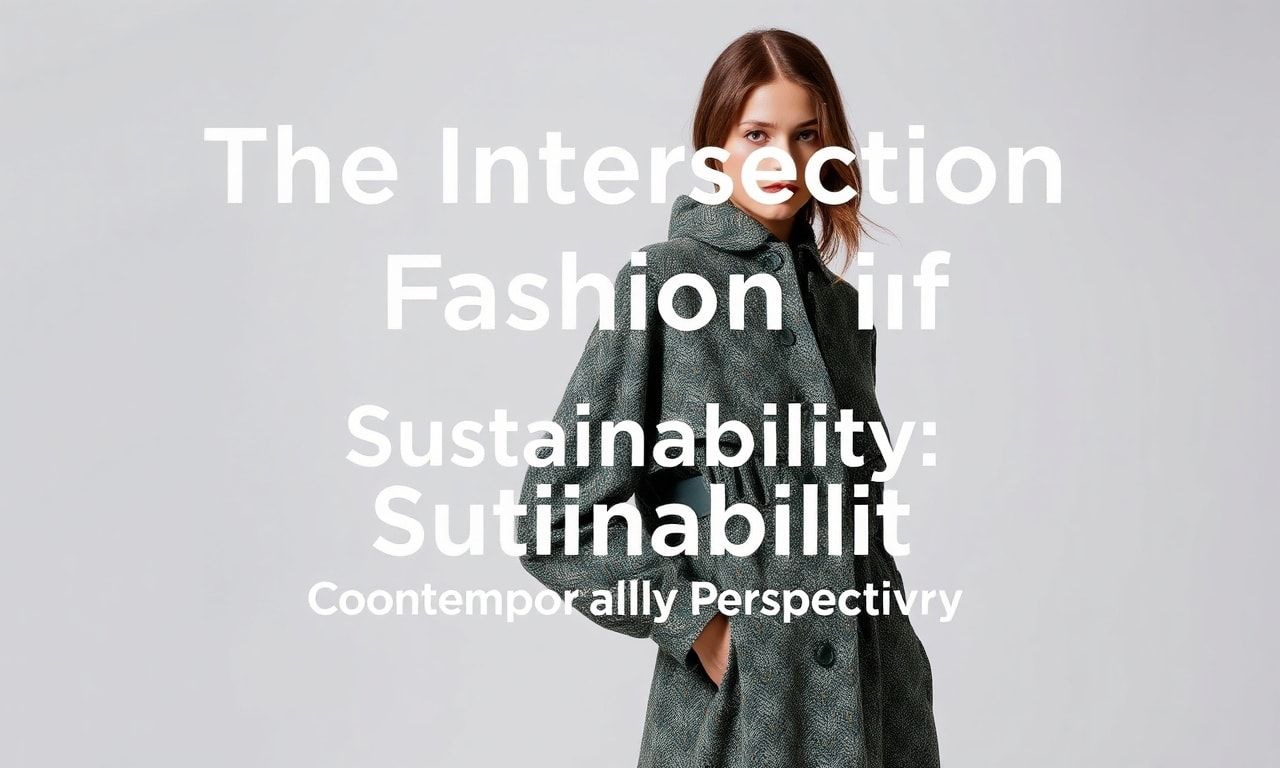
The Rise of Sustainable Fashion
The fashion industry is undergoing a significant transformation, with sustainability at its core. As consumers become more environmentally conscious, the demand for eco-friendly fashion has surged. This shift is not just a trend but a movement towards a more responsible and ethical approach to style. Sustainable fashion encompasses a wide range of practices, from using organic materials to promoting fair labor conditions. It’s a holistic approach that considers the environmental, social, and economic impacts of the fashion industry.
Innovative Materials and Techniques
One of the most exciting aspects of sustainable fashion is the innovation in materials and techniques. Designers are increasingly turning to recycled, upcycled, and biodegradable materials. For instance, fabrics made from recycled plastic bottles or organic cotton are gaining popularity. Additionally, techniques like zero-waste pattern cutting and 3D printing are reducing waste and improving efficiency. These innovations not only benefit the environment but also push the boundaries of creativity in fashion.
Moreover, the use of natural dyes and non-toxic chemicals in the production process is another step towards sustainability. These practices ensure that the fashion industry minimizes its impact on the environment and promotes a healthier ecosystem. The integration of technology, such as AI and blockchain, is also revolutionizing the way fashion brands operate, making them more transparent and accountable.
The Role of Technology in Sustainable Fashion
Technology plays a pivotal role in the sustainable fashion movement. From smart fabrics that adapt to the wearer’s environment to apps that help consumers make eco-friendly choices, technology is driving innovation. For example, the use of elektrikli araba bakım yöntemleri (electric car maintenance methods) can be likened to the maintenance of a sustainable wardrobe—both require careful consideration and innovative solutions to ensure longevity and efficiency. Similarly, digital platforms are enabling brands to connect directly with consumers, reducing the need for physical stores and minimizing carbon footprints.
Ethical Fashion and Fair Labor Practices
Sustainable fashion is not just about the environment; it’s also about people. Ethical fashion emphasizes fair labor practices, ensuring that workers are treated fairly and paid a living wage. This includes providing safe working conditions and promoting diversity and inclusion within the industry. Consumers are increasingly aware of the importance of ethical fashion and are willing to support brands that align with their values. By choosing ethical fashion, consumers can make a positive impact on the lives of workers and communities around the world.
The Future of Sustainable Fashion
The future of sustainable fashion looks promising, with more brands and consumers embracing eco-friendly practices. As awareness grows, the demand for sustainable fashion will continue to rise, driving further innovation and change. The fashion industry has the potential to become a leader in sustainability, setting an example for other industries to follow. By prioritizing sustainability, the fashion industry can create a better future for both people and the planet.
Tips for Incorporating Sustainable Fashion into Your Wardrobe
Incorporating sustainable fashion into your wardrobe is easier than you might think. Here are some tips to help you get started:
- Choose Quality Over Quantity: Invest in high-quality, timeless pieces that will last longer and reduce the need for frequent replacements.
- Support Ethical Brands: Research and support brands that prioritize sustainability and ethical practices. Look for certifications like Fair Trade, GOTS, and OEKO-TEX.
- Shop Second-Hand: Consider buying second-hand or vintage clothing. This not only reduces waste but also adds unique pieces to your wardrobe.
- Care for Your Clothes: Proper care and maintenance can extend the life of your clothes. Follow washing instructions, repair items when possible, and store them correctly.
- Recycle and Donate: When you no longer need an item, consider donating it to charity or recycling it responsibly. Many brands offer take-back programs for old clothing.
Conclusion
The intersection of fashion and sustainability is a powerful force for change. By embracing eco-friendly practices, innovative materials, and ethical labor conditions, the fashion industry can create a more sustainable future. As consumers, we have the power to drive this change by making conscious choices and supporting brands that align with our values. Together, we can make a positive impact on the environment and the people who bring our favorite styles to life.
As you strut through the city in your latest outfit, consider the eco-friendly and stylish way to get around with electric bikes for urban exploration, blending fashion and functionality seamlessly.
As we strive to blend style with sustainability, discover how to adorn yourself beautifully with eco-conscious jewelry choices that are as kind to the planet as they are to your wardrobe.
As the fashion world evolves, discover how sustainability is shaping the future of style with our latest feature, eco-friendly fashion trends.
