The Timeless Appeal of Fabric Dyeing
\nThe fashion industry is constantly evolving, with trends coming and going like the seasons. However, one timeless practice that continues to captivate designers and enthusiasts alike is fabric dyeing. This ancient art form not only allows for unique, personalized garments but also promotes sustainability by giving new life to old fabrics. Whether you’re a seasoned fashionista or a novice looking to explore creative avenues, understanding the intricacies of fabric dyeing can significantly elevate your style game.
\nUnderstanding the Basics of Fabric Dyeing
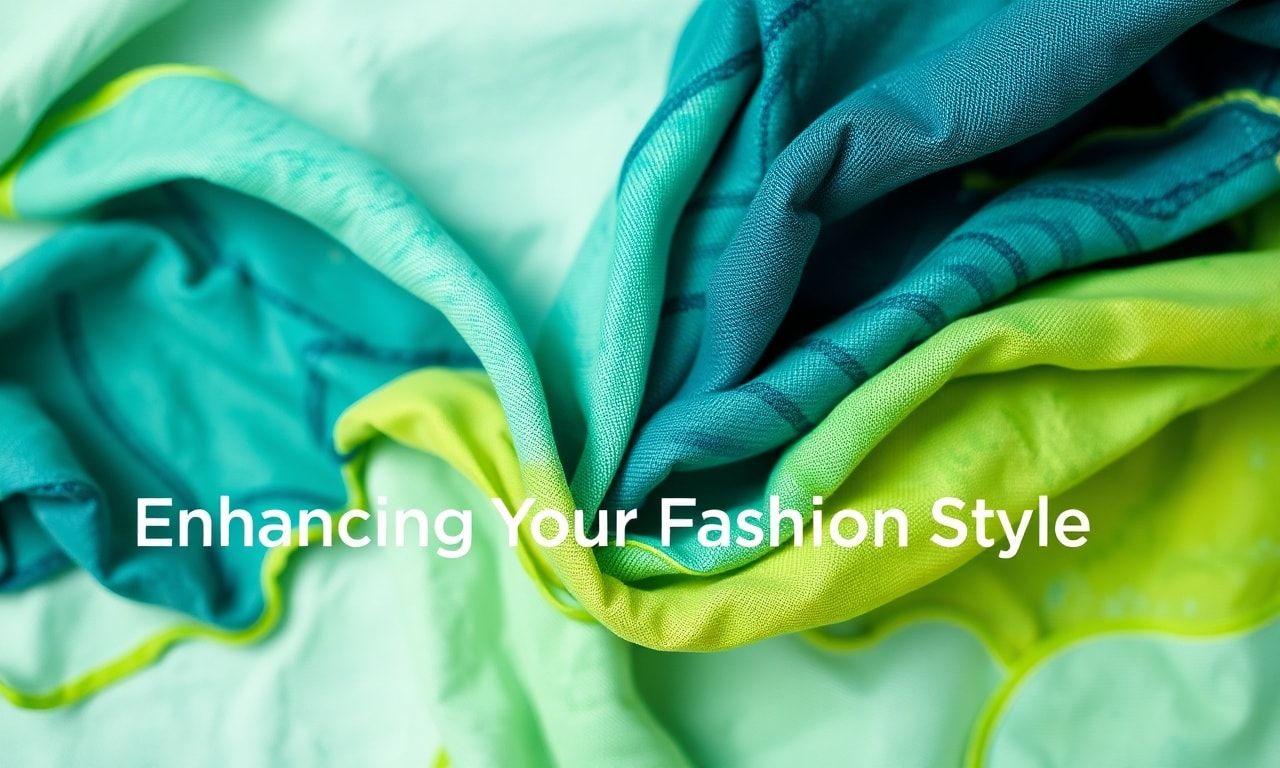
\nFabric dyeing involves the process of adding color to textiles using various techniques and materials. The choice of dye, fabric type, and technique can dramatically influence the final outcome. Common types of dyes include:
\n- \n
- Fiber Reactive Dyes: These dyes bond with the fiber at a molecular level, making them ideal for natural fabrics like cotton and linen. \n
- Vat Dyes: Known for their exceptional colorfastness, vat dyes are perfect for creating deep, rich hues on materials like denim. \n
- Acid Dyes: These are best suited for protein-based fibers such as silk and wool, offering vibrant and long-lasting colors. \n
- Direct Dyes: These are easy to use and work well on a variety of fabrics, including cotton, silk, and synthetic fibers. \n
Choosing the Right Fabric
\nThe type of fabric you choose plays a crucial role in the dyeing process. Natural fibers like cotton, linen, silk, and wool are generally more receptive to dyes compared to synthetic fabrics. However, with the right techniques and dyes, synthetic fabrics can also achieve stunning results. It’s essential to pre-wash and prepare your fabric to ensure even dye absorption and longevity of color.
\nExploring Different Dyeing Techniques
\nThere are numerous techniques to achieve unique patterns and effects through fabric dyeing. Some popular methods include:
\n- \n
- Tie-Dye: A classic technique that involves tying and folding fabric before applying dye, creating intricate patterns and designs. \n
- Batik: This method uses wax to create resist patterns, allowing for detailed and vibrant designs. \n
- Ombré: Achieving a gradient effect by gradually changing the dye concentration, resulting in a beautiful blend of colors. \n
- Shibori: A Japanese technique that involves folding, twisting, and binding fabric to create unique textures and patterns. \n
Sustainability in Fabric Dyeing
\nIn an era where sustainability is paramount, fabric dyeing offers an eco-friendly alternative to fast fashion. By upcycling old garments and fabrics, you not only reduce waste but also create one-of-a-kind pieces that reflect your personal style. Additionally, using natural dyes derived from plants, minerals, and other organic sources can further minimize environmental impact. For those interested in sustainable practices, exploring resources like kumaş boyama işleri için en iyi rehber can provide valuable insights and guidance.
\nTips for Successful Fabric Dyeing
\nTo achieve the best results, consider the following tips:
\n- \n
- Pre-Wash Your Fabric: Remove any finishes or sizing agents that may interfere with dye absorption. \n
- Use High-Quality Dyes: Invest in reputable dyes to ensure vibrant and long-lasting colors. \n
- Follow Instructions: Each dye and fabric type has specific requirements, so always follow the manufacturer’s guidelines. \n
- Experiment with Techniques: Don’t be afraid to try different methods and combinations to discover your unique style. \n
- Rinse Thoroughly: Proper rinsing ensures that excess dye is removed, preventing color bleeding. \n
Incorporating Dyed Fabrics into Your Wardrobe
\nOnce you’ve successfully dyed your fabrics, the next step is to incorporate them into your wardrobe. Whether you’re creating a statement piece or adding a pop of color to an existing outfit, dyed fabrics can transform your style. Consider the following ideas:
\n- \n
- DIY Projects: Create unique accessories like scarves, bags, and hats using your dyed fabrics. \n
- Upcycle Old Clothes: Give new life to old garments by dyeing them in vibrant colors or patterns. \n
- Custom Home Decor: Use dyed fabrics to create personalized home decor items like pillow covers, curtains, and tablecloths. \n
Conclusion
\nFabric dyeing is a timeless art that allows for endless creativity and personalization. By understanding the basics, exploring different techniques, and embracing sustainable practices, you can elevate your fashion game and create unique, one-of-a-kind pieces. Whether you’re a seasoned crafter or a beginner, the world of fabric dyeing offers a rewarding and fulfilling journey into the realm of fashion and design.
\nTo infuse your wardrobe with vibrant inspiration, explore Adana’s colorful fashion scene, a delightful blend of natural and cultural hues.
\nDelve into the world of elegant fashion with our captivating exploration of kimono’s timeless allure, where tradition meets contemporary style.
\n\n\nEver wondered how technology is transforming traditional fabric dyeing? Discover the captivating blend of old and new in the art of dyeing fabrics, a must-read for fashion enthusiasts.