
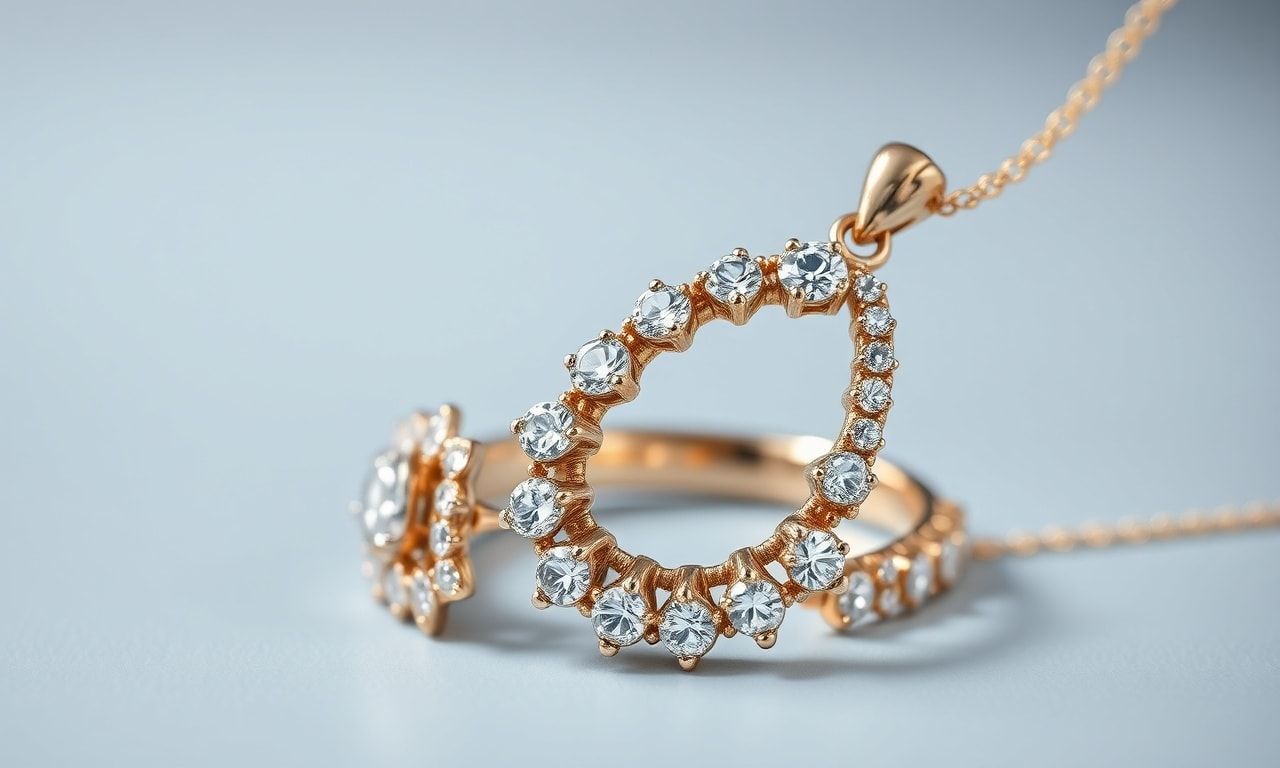
The Evolution of Jewelry in Fashion
Jewelry has been an integral part of human adornment for millennia, evolving alongside fashion trends and cultural shifts. From ancient civilizations to modern runways, jewelry has transcended its utilitarian roots to become a symbol of personal expression and sophistication. Understanding the historical context of jewelry helps us appreciate its timeless appeal and its role in contemporary fashion.
Ancient Origins and Symbolism
The earliest forms of jewelry date back to prehistoric times, crafted from natural materials like bones, shells, and stones. These pieces were often imbued with symbolic meanings, representing status, protection, and spiritual beliefs. As civilizations developed, so did the artistry and craftsmanship of jewelry. The Egyptians, for instance, mastered the use of gold and precious stones, creating intricate pieces that adorned pharaohs and nobility. Similarly, the Greeks and Romans used jewelry to signify wealth and social standing, with motifs like laurel wreaths and cameos becoming iconic.
The Renaissance and the Rise of Opulence
The Renaissance period marked a significant shift in jewelry design, characterized by a renewed interest in classical art and a flourishing of artistic expression. Jewelry became more elaborate, featuring intricate engravings, gemstones, and pearls. The use of enamel and filigree techniques added a new dimension to jewelry craftsmanship. This era also saw the rise of portrait jewelry, where miniature paintings were encased in lockets and rings, reflecting the wearer’s personal connections and sentimental values.
The Influence of Jewelry in Modern Fashion
In the modern era, jewelry has become a versatile accessory that complements various fashion styles. Designers continually push the boundaries of creativity, blending traditional techniques with contemporary aesthetics. Whether it’s a statement necklace, a delicate bracelet, or a pair of elegant earrings, jewelry adds a touch of glamour and individuality to any outfit. The fashion industry’s emphasis on sustainability and ethical practices has also influenced jewelry design, with many brands opting for eco-friendly materials and fair trade practices.
Statement Pieces and Minimalist Trends
Current fashion trends showcase a diverse range of jewelry styles, from bold statement pieces to minimalist designs. Statement jewelry, characterized by its large, eye-catching elements, is perfect for making a dramatic impact. Chokers, chunky rings, and oversized earrings are popular choices for those who want to stand out. On the other hand, minimalist jewelry focuses on simplicity and elegance, with delicate chains, small studs, and understated pendants. This trend appeals to those who prefer a more subtle and refined look.
For those who enjoy the intersection of fashion and art, exploring the world of best slow movies and artistic films can provide inspiration for unique jewelry designs. The intricate details and artistic expressions found in these films can translate into stunning pieces that reflect a deep appreciation for beauty and creativity.
Cultural Diversity and Personal Expression
Jewelry also plays a crucial role in cultural expression, with different regions and communities showcasing unique styles and techniques. For example, Indian jewelry is known for its vibrant colors, intricate patterns, and the use of precious stones. African jewelry often incorporates traditional symbols and materials like beads and cowrie shells. These cultural influences add a rich tapestry of diversity to the world of fashion, allowing individuals to express their heritage and personal identity through their accessories.
Choosing the Right Jewelry for Your Style
Selecting the perfect piece of jewelry involves considering your personal style, the occasion, and the outfit you plan to wear. Here are some tips to help you make the right choice:
- Consider the Occasion: Different events call for different types of jewelry. A formal evening gown may pair well with a statement necklace, while a casual outfit might be complemented by a simple bracelet.
- Match with Your Outfit: The color and style of your jewelry should harmonize with your clothing. For example, a gold necklace can add warmth to a neutral-toned outfit, while silver jewelry can create a cool, modern look.
- Personal Preference: Ultimately, the jewelry you choose should reflect your personal taste and make you feel confident. Whether you prefer bold or subtle designs, the key is to wear what makes you feel your best.
Caring for Your Jewelry
To ensure your jewelry remains in pristine condition, proper care and maintenance are essential. Here are some tips to keep your pieces looking their best:
- Clean Regularly: Use a soft cloth to clean your jewelry and remove any dirt or oils. For more thorough cleaning, use a mild soap and water solution, but avoid harsh chemicals that can damage the metal or stones.
- Store Properly: Store your jewelry in a cool, dry place, preferably in a jewelry box or pouch to prevent scratches and tangling. Keep different pieces separate to avoid damage.
- Avoid Exposure to Harsh Elements: Remove your jewelry before swimming, exercising, or engaging in activities that expose it to sweat, chlorine, or other harsh elements that can cause tarnishing or damage.
Conclusion
Jewelry is more than just an accessory; it is a timeless expression of personal style, cultural heritage, and artistic creativity. From ancient civilizations to modern fashion runways, jewelry has evolved to become an essential part of our wardrobes. By understanding its history, appreciating its diversity, and choosing pieces that resonate with your personal style, you can enhance your fashion journey and make a lasting impression.
For more insights on this topic, you might find Modetrends 2023: Was in dieser Saison particularly informative.
