
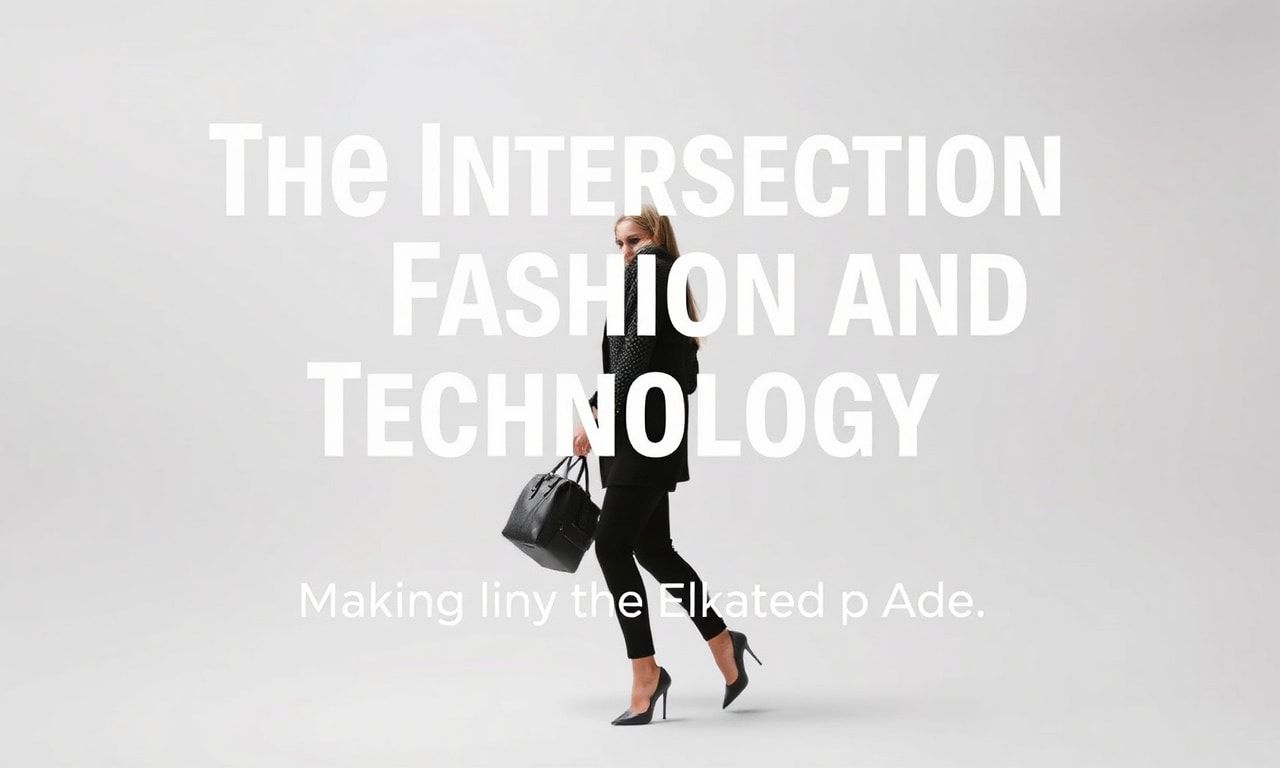
The Evolution of Fashion in the Digital Era
The fashion industry has always been at the forefront of innovation, constantly evolving to meet the demands of a dynamic market. In recent years, the intersection of fashion and technology has become increasingly prominent, transforming the way we perceive, purchase, and experience style. From virtual try-ons to AI-driven personal styling, technology is reshaping the fashion landscape in unprecedented ways.
One of the most significant developments in this digital age is the rise of e-commerce platforms that offer personalized shopping experiences. These platforms leverage data analytics to understand consumer preferences and provide tailored recommendations. This not only enhances the shopping experience but also ensures that customers find items that align with their unique style and preferences.
The Role of Data Privacy in the Fashion Industry
As the fashion industry becomes more data-driven, the importance of data privacy cannot be overstated. Consumers are increasingly aware of their digital footprint and the need to protect their personal information. Fashion brands must adhere to data privacy law regulations to build trust and maintain customer loyalty. Implementing robust data protection measures is not just a legal requirement but also a strategic imperative for brands looking to thrive in the digital age.
In addition to compliance, fashion brands should prioritize transparency in their data collection and usage practices. Educating consumers about how their data is being used can foster a sense of trust and engagement. This transparency can be a differentiating factor in a competitive market, where consumers are increasingly discerning about their choices.
Virtual Try-Ons and Augmented Reality
Augmented Reality (AR) has revolutionized the way consumers interact with fashion. Virtual try-ons allow customers to see how clothing and accessories will look on them without physically trying them on. This technology not only enhances the shopping experience but also reduces the likelihood of returns, which is a significant challenge for e-commerce platforms.
AR technology is also being used to create immersive shopping experiences. Virtual showrooms and digital fashion events are becoming more common, providing consumers with a unique and engaging way to explore new collections. These innovations are not only convenient but also environmentally friendly, as they reduce the need for physical samples and excessive inventory.
The Impact of AI on Personal Styling
Artificial Intelligence (AI) is playing a pivotal role in personal styling. AI-driven algorithms analyze a consumer’s past purchases, browsing history, and social media activity to provide personalized style recommendations. This level of customization ensures that consumers find items that not only fit their style but also their lifestyle.
AI is also being used to predict fashion trends. By analyzing vast amounts of data, AI can identify emerging trends and help brands stay ahead of the curve. This predictive capability is invaluable in an industry where trends can change rapidly, and staying relevant is crucial for success.
Sustainability and Ethical Fashion
As consumers become more environmentally conscious, the demand for sustainable and ethical fashion is on the rise. Technology is playing a crucial role in this shift, enabling brands to adopt more sustainable practices. From using eco-friendly materials to implementing circular fashion models, technology is helping the industry reduce its environmental impact.
Blockchain technology, for instance, is being used to ensure transparency in the supply chain. Consumers can now trace the origin of their clothing and accessories, ensuring that they are made ethically and sustainably. This transparency not only builds trust but also encourages brands to adopt more responsible practices.
Conclusion
The intersection of fashion and technology is transforming the industry in ways we could not have imagined a few years ago. From virtual try-ons to AI-driven personal styling, technology is enhancing the shopping experience and driving innovation. However, with these advancements come responsibilities, particularly in the area of data privacy. Brands must prioritize transparency and compliance to build trust and maintain customer loyalty.
As we navigate the digital age, the fashion industry must continue to embrace technology while remaining committed to sustainability and ethical practices. By doing so, it can create a future that is not only stylish but also responsible and inclusive.
Discover how to merge style and sustainability with our guide to eco-friendly fashion choices, proving that looking good doesn’t have to cost the Earth.
Ready to revamp your wardrobe? Discover 2023’s hottest fashion trends and expert styling tips to elevate your look this season.
As we navigate the ever-changing landscape of style and beauty, it’s essential to find balance and joy in our lives; discover tips for a fulfilling life that complements your fashion journey.